Sand & Gravel Trucking Insurance: What Aggregate Haulers Need to Know in 2026
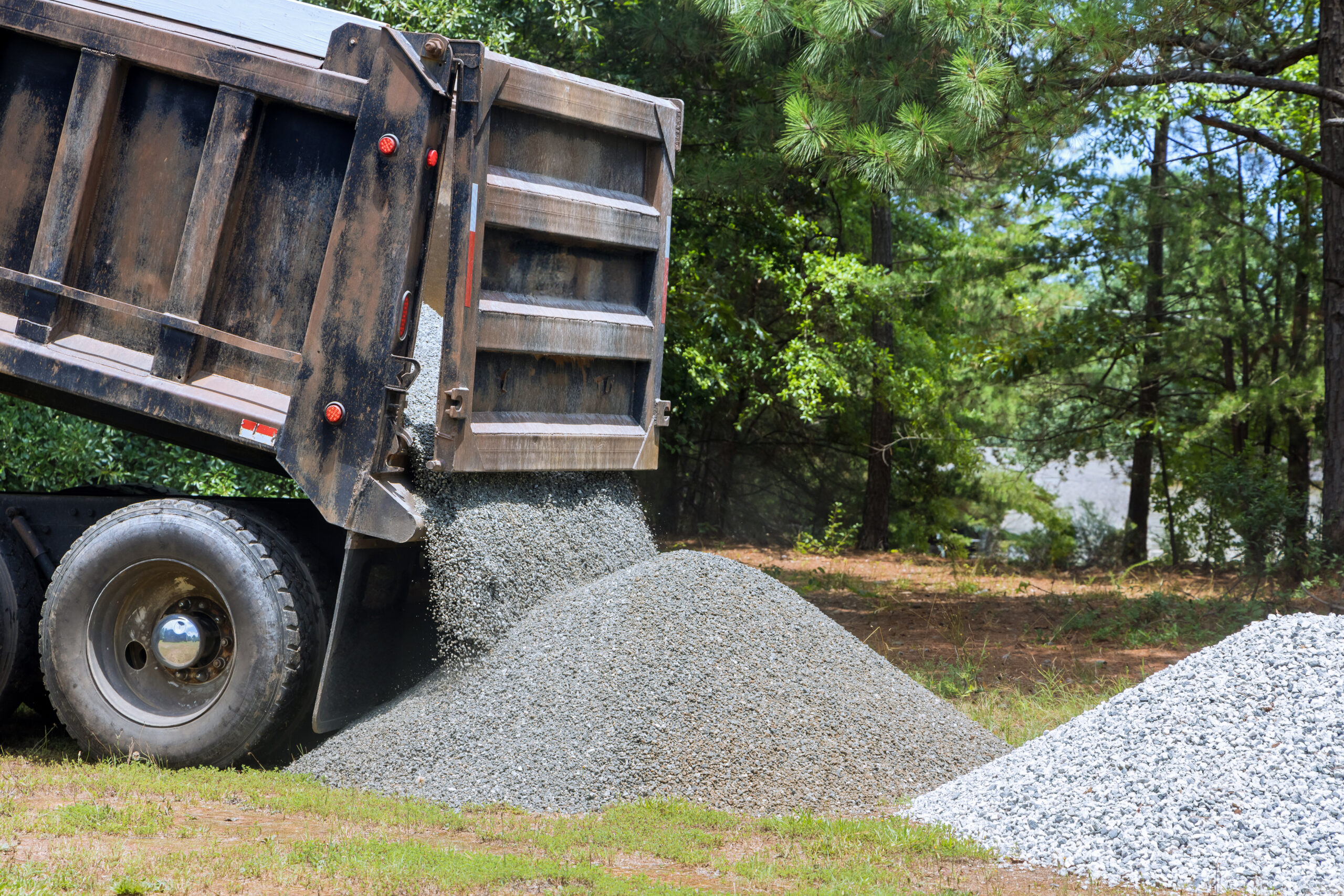
Sand and gravel hauling is one of the most common segments in the trucking industry, but it comes with its own insurance risks that many operators underestimate.
If you run dump trucks, haul aggregate to construction sites, or contract with quarries, your insurance profile is different from long haul freight, refrigerated loads, or general dry van operations. The exposure is local, repetitive, and often tied to high risk environments like construction zones and rural job sites.
Understanding how insurers view sand and gravel trucking is the first step to controlling your premiums and protecting your business.
Why Sand & Gravel Hauling Is Viewed as Higher Risk
Insurance companies look at patterns. Aggregate hauling has several characteristics that increase claim frequency.
1. Construction Site Exposure
Most sand and gravel deliveries go directly to active construction sites. That means uneven terrain, heavy equipment traffic, limited visibility, and tight access points. Backing accidents and property damage claims are common.
2. Repetitive Short Hauls
Unlike over the road trucking, aggregate haulers often complete multiple loads per day. More trips mean more opportunities for fender benders, load shifts, and third party property damage.
3. Tarping and Load Spillage
Improperly secured loads can result in road debris claims. Spilled gravel or sand can damage vehicles and trigger liability claims quickly.
4. Equipment Wear and Tear
Dump trucks and heavy haul equipment take abuse. Mechanical failure related accidents are more common when maintenance is not consistent.
Because of these factors, insurers often classify sand and gravel trucking under higher risk local hauling categories.
Key Insurance Coverage for Sand & Gravel Haulers
If you want to attract better rates and avoid coverage gaps, you need to structure your policy correctly.
Auto Liability
This is your primary coverage and the one that protects you if you cause bodily injury or property damage. Many construction contracts require at least $1,000,000 in liability limits.
Physical Damage
Dump trucks and trailers are expensive. Physical damage coverage protects against collision, theft, fire, and vandalism. Given the work environment, skipping this coverage is a gamble.
General Liability
When drivers are on site interacting with contractors, additional exposures arise. General liability helps cover non auto related claims such as property damage while unloading.
Umbrella Coverage
Construction contracts often require higher limits. An umbrella policy extends your liability protection beyond your base auto policy.
How Insurance Companies Rate Aggregate Trucking
Insurance pricing for sand and gravel hauling is based on several key factors:
- Radius of operation
- Years in business
- Driver experience and MVR history
- Loss history
- Type and age of equipment
- Contracts with quarries or general contractors
- Safety program documentation
If you are a new venture or have recent claims, expect higher premiums.
However, established operators with clean records can secure competitive rates even in this niche.
Ways to Lower Your Sand & Gravel Trucking Insurance Costs
This is where most operators leave money on the table.
Implement Telematics and Dash Cameras
Insurance carriers increasingly reward fleets that use safety technology. Cameras help defend against false claims, and telematics improve driver accountability.
Formal Maintenance Program
Documented inspections and preventative maintenance reduce breakdown related losses. Carriers like to see proof, not promises.
Driver Hiring Standards
Avoid cutting corners on driver experience. Aggregate hauling may feel local and simple, but accidents happen quickly in construction zones.
Strong Contracts
Working with reputable quarries and contractors signals stability. Long term contracts reduce perceived business volatility.
Why Choosing the Right Insurance Partner Matters
Sand and gravel trucking is not the same as dry van or refrigerated freight. An agent who does not understand aggregate hauling can misclassify your operation, leading to higher premiums or denied claims.
You need a partner who understands:
- Local construction exposure
- Dump truck classifications
- Seasonal revenue fluctuations
- Contract requirements from contractors
An insurance partner experienced in construction related trucking can help you structure coverage properly while positioning your business as a lower risk operation to carriers.
2026 Market Outlook for Sand & Gravel Trucking Insurance
Insurance markets continue to tighten for construction related risks. Claim frequency in local hauling segments has kept pressure on rates.
That said, well managed aggregate fleets with clean loss histories are still finding competitive options. The key is preparation.
Before renewal, gather:
- Updated driver lists
- Maintenance records
- Current contracts
- Loss runs
- Safety policy documentation
Preparation signals professionalism. Professionalism lowers perceived risk. Lower perceived risk leads to better pricing.
Final Thoughts
Sand and gravel hauling is essential to the construction industry. It can also be a profitable niche when managed correctly.
But profitability disappears fast when insurance is structured poorly.
If you operate dump trucks, haul aggregate, or service construction projects, your insurance program should reflect the realities of sand and gravel trucking. The right coverage, combined with strong safety practices, protects your equipment, your drivers, and your long term growth.
If you want a second look at your sand and gravel trucking insurance policy, now is the time to review it before your next renewal. The operators who prepare early always have more options.
And in this market, options matter.
Cook Insurance Group: Your Partner in Trucking Insurance
With over 20 years of experience in the trucking insurance industry, Cook Insurance Group offers unparalleled service and expertise. Serving large fleets, small fleets, single-owner operators, tow trucking operations, and charter bus lines, we focus exclusively on the trucking industry to provide the best insurance solutions. Our friendly, bilingual staff is dedicated to helping you find the right insurance protection at the right cost.
At Cook Insurance Group, we tailor our services to meet the specific needs of both small and large fleet trucking companies. Our representatives manage every aspect of your insurance program, ensuring you have the best plan for your unique needs. We offer immediate certificate and ID card issuance, 24/7 certificate availability, and a client portal for easy access to certificates, claim status, and policy details.
Our prompt and reliable service includes 24-hour claims reporting for physical damage and motor truck cargo.We also provide educational seminars for management and drivers, licensed risk managers to assist with CSA scores and driver training, border risk coverage (NAFTA), and mid-year loss run reviews. Whether you are located in Texas, Arizona, or Arkansas, choose Cook Insurance Group for all your trucking insurance needs.
Choose Cook Insurance Group for all of your trucking insurance needs whether you are located in Texas, Arizona or Arkansas.