Preparing Your Fleet for Winter Routes in Texas, Arkansas, and Oklahoma: Insurance Checklist
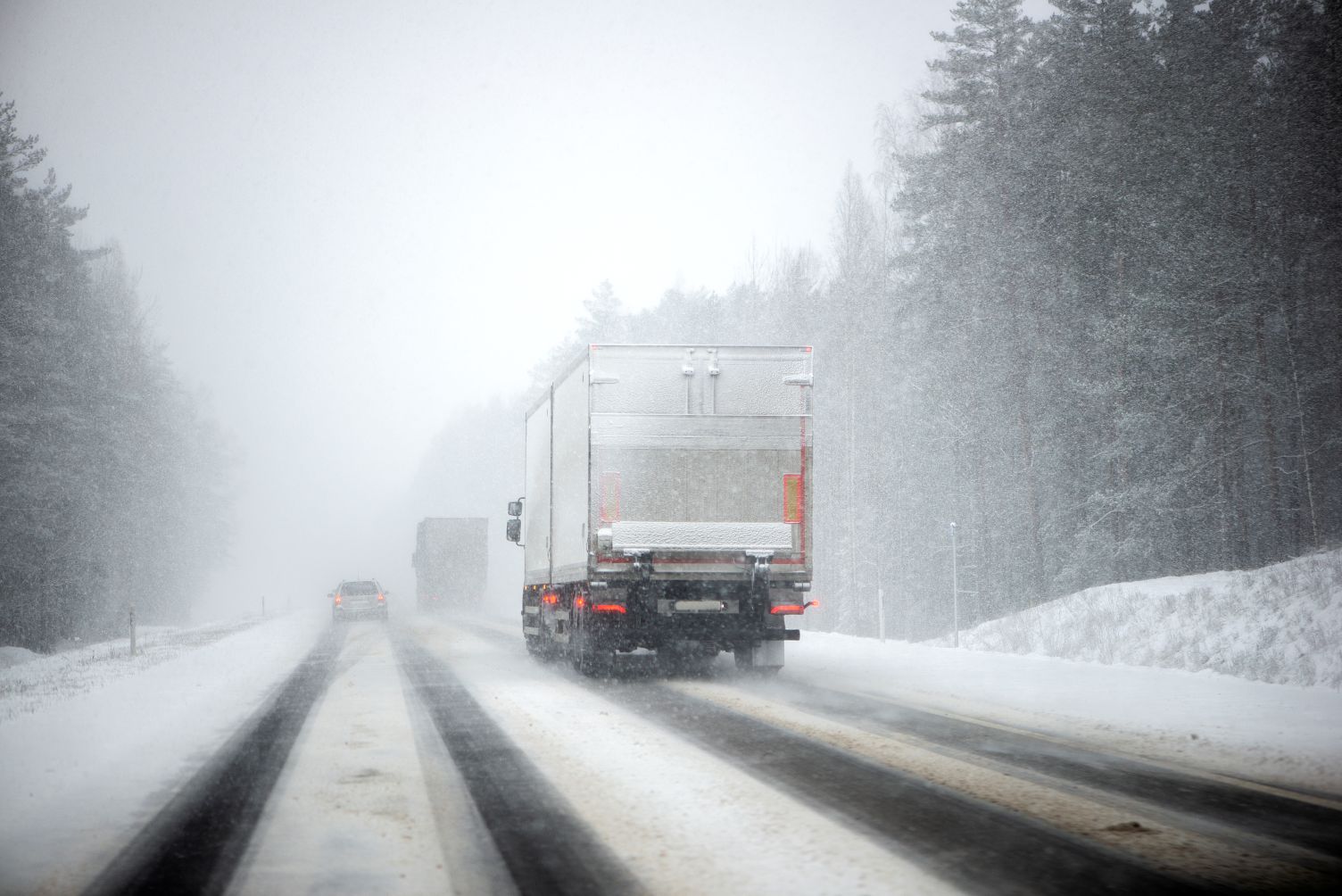
Winter weather across Texas, Arkansas and Oklahoma can be unpredictable. These states do not see long months of deep snow like northern regions but they do experience sudden cold fronts, icy roads, freezing rain, sleet and strong winds. For trucking companies and commercial fleet owners, winter preparation is essential for protecting drivers, vehicles and business operations.
A thorough insurance review is one of the most important steps in preparing your fleet for winter routes. Use this checklist to make sure your protection is in place before the colder months arrive.
1. Review Your Commercial Auto Liability Limits
Winter driving increases the risk of collisions, jackknifes and multi vehicle incidents. Make sure your liability limits are high enough to protect your business if an accident occurs on an icy Texas highway or a snowy back road in Oklahoma.
Check the following:
- Current liability limits and regional claim trends
- Gaps between policy coverage and fleet growth
- Whether your routes include high risk winter areas
2. Update Physical Damage Coverage
Winter conditions can cause expensive damage from hail dents and ice buildup to frozen brake lines and low visibility accidents.
Verify:
- Tractor and trailer values are current
- Deductibles match winter risk levels
- Coverage includes collision and comprehensive events
Confirm that recently added units or new equipment purchases are listed correctly on the policy.
3. Confirm Motor Truck Cargo Coverage
Cargo becomes more vulnerable during the winter months. Freezing temperatures, delays and road closures can increase spoilage risk or impact time sensitive shipments.
Review:
- Commodity limits
- Temperature sensitive cargo requirements
- Any weather or freeze related exclusions
4. Review General Liability Coverage
Commercial auto liability covers incidents on the road. General liability protects your business at locations like loading docks, customer sites and terminals. Winter hazards like slippery surfaces and falling ice increase your exposure.
Ensure your policy includes:
- Adequate limits
- Correct classification of your operations
- Anyone who needs to be listed as an additional insured
5. Check Workers Compensation and Occupational Accident Coverage
Drivers face higher risk during winter. Slipping on ice, handling chains and working in freezing temperatures raise the chance of injury.
Confirm that:
- Payroll or driver counts are up to date
- Benefits cover winter related injuries
- Coverage reflects any new hires or seasonal drivers
6. Review Roadside Assistance and Towing Coverage
Winter breakdowns are common. Batteries fail, tires lose pressure and ice puts extra strain on mechanical components.
Make sure you have:
- Roadside assistance built for heavy trucks
- Towing limits that cover rural or long distance rescues
- Support for lockouts, mechanical failures and icy road incidents
7. Verify Trailer Interchange or Non Owned Trailer Coverage
If your fleet pulls or swaps a trailer you do not own make sure it is protected. Winter roads increase the chance of damage especially when navigating ice or deep potholes created by freezing cycles.
Check:
- Coverage limits that match the value of the trailers
- Current operating agreements
- Seasonal changes in volume or route exposure
8. Review Insurance Requirements for New Contracts and Routes
Many carriers add short term contracts during winter to support holiday demand or emergency deliveries. Routes in the Arkansas mountains or rural Oklahoma may have unique requirements.
Review:
- Shipper and broker insurance requirements
- Certificates of insurance
- Needed endorsements for cross state winter hauling
9. Ask About Seasonal Discounts or Risk Reduction Programs
Some insurers offer incentives for winter safety steps such as installing GPS units, adding dash cams, completing winter driving training or updating maintenance records.
10. Conduct a Winter Safety and Maintenance Check
Insurance is part of preparation but preventing breakdowns and downtime is equally important.
Make sure your fleet reviews:
- Tire condition and winter ready tread
- Battery and electrical systems
- Brake performance
- Anti gel fuel additives
- Emergency kits for drivers
- DOT required winter equipment
Final Thoughts
Winter in Texas, Arkansas and Oklahoma can be unpredictable but your fleet can still operate safely with the right preparation. A complete insurance review helps reduce downtime and protects your drivers and equipment throughout the season.
If you want a customized winter insurance review for your fleet we can help you build coverage that fits your routes, equipment and operational needs.
Cook Insurance Group: Your Partner in Trucking Insurance
With over 20 years of experience in the trucking insurance industry, Cook Insurance Group offers unparalleled service and expertise. Serving large fleets, small fleets, single-owner operators, tow trucking operations, and charter bus lines, we focus exclusively on the trucking industry to provide the best insurance solutions. Our friendly, bilingual staff is dedicated to helping you find the right insurance protection at the right cost.
At Cook Insurance Group, we tailor our services to meet the specific needs of both small and large fleet trucking companies. Our representatives manage every aspect of your insurance program, ensuring you have the best plan for your unique needs. We offer immediate certificate and ID card issuance, 24/7 certificate availability, and a client portal for easy access to certificates, claim status, and policy details.
Our prompt and reliable service includes 24-hour claims reporting for physical damage and motor truck cargo.We also provide educational seminars for management and drivers, licensed risk managers to assist with CSA scores and driver training, border risk coverage (NAFTA), and mid-year loss run reviews. Whether you are located in Texas, Arizona, or Arkansas, choose Cook Insurance Group for all your trucking insurance needs.
Choose Cook Insurance Group for all of your trucking insurance needs whether you are located in Texas, Arizona or Arkansas.