Preparing for Fall Weather: Floods, Storms, and Trucking Insurance Coverage
Fall can bring some of the most unpredictable driving conditions of the year for commercial truck drivers.
One day may bring clear skies and mild temperatures. The next could bring heavy rain, flash flooding, severe thunderstorms, damaging winds, hail, fog, or rapidly changing temperatures.
For trucking companies, fleet owners, and owner-operators, those conditions create more than scheduling problems.
They can also lead to:
- Commercial truck accidents
- Flood-damaged equipment
- Cargo losses
- Trailer damage
- Weather-related breakdowns
- Road closures
- Delivery delays
- Insurance claims
- Expensive downtime
The transition from summer into fall is therefore an important time to review both your equipment and your commercial trucking insurance coverage.
A truck insurance policy may provide protection against certain weather-related losses, but not every policy covers every type of damage.
Understanding the difference between primary liability insurance, physical damage insurance, motor truck cargo insurance, trailer interchange coverage, and other trucking insurance policies can help prevent surprises when severe weather strikes.
In this guide, we’ll explain how fall weather affects commercial trucking operations, what types of insurance may respond to storm and flood damage, and what owner-operators and fleets can do to reduce their weather-related risks.
Why Fall Weather Creates Additional Risks for Trucking Companies
Fall weather can vary dramatically across the United States.
Depending on where a truck operates, drivers may encounter:
- Heavy thunderstorms
- Flash flooding
- Tropical storms and hurricanes
- High winds
- Hail
- Dense fog
- Falling temperatures
- Early-season freezing conditions
- Wet leaves
- Reduced daylight
- Sudden temperature changes
Long-haul trucking operations face an additional challenge.
A driver may travel through several completely different weather systems during a single trip.
A load leaving warm and dry conditions in Texas, for example, could encounter storms, heavy rain, colder temperatures, or strong winds as it travels through other regions.
That makes commercial trucking weather preparation an important part of fleet risk management.
1. Heavy Rain Increases Commercial Truck Accident Risk
Rain changes road conditions quickly.
When pavement becomes wet, traction decreases and stopping distances can increase.
For an 80,000-pound tractor-trailer, maintaining adequate stopping distance is already critical.
Heavy rain makes it even more important.
Drivers may also experience:
- Reduced visibility
- Road spray
- Standing water
- Hydroplaning
- Reduced tire traction
- Difficulty seeing lane markings
- Unexpected traffic slowdowns
How trucking companies can reduce rain-related accident risk
Drivers should adjust their driving to conditions rather than simply following the posted speed limit.
That may mean:
- Slowing down
- Increasing following distance
- Avoiding aggressive lane changes
- Keeping headlights on when required
- Maintaining windshield wipers
- Checking tire condition
- Avoiding cruise control in hazardous conditions
- Allowing additional stopping distance
Dispatch schedules should also account for bad weather.
Drivers should not feel pressured to maintain normal travel speeds during severe rain simply to meet a delivery appointment.
A delayed shipment is usually less expensive than a serious commercial truck insurance claim.
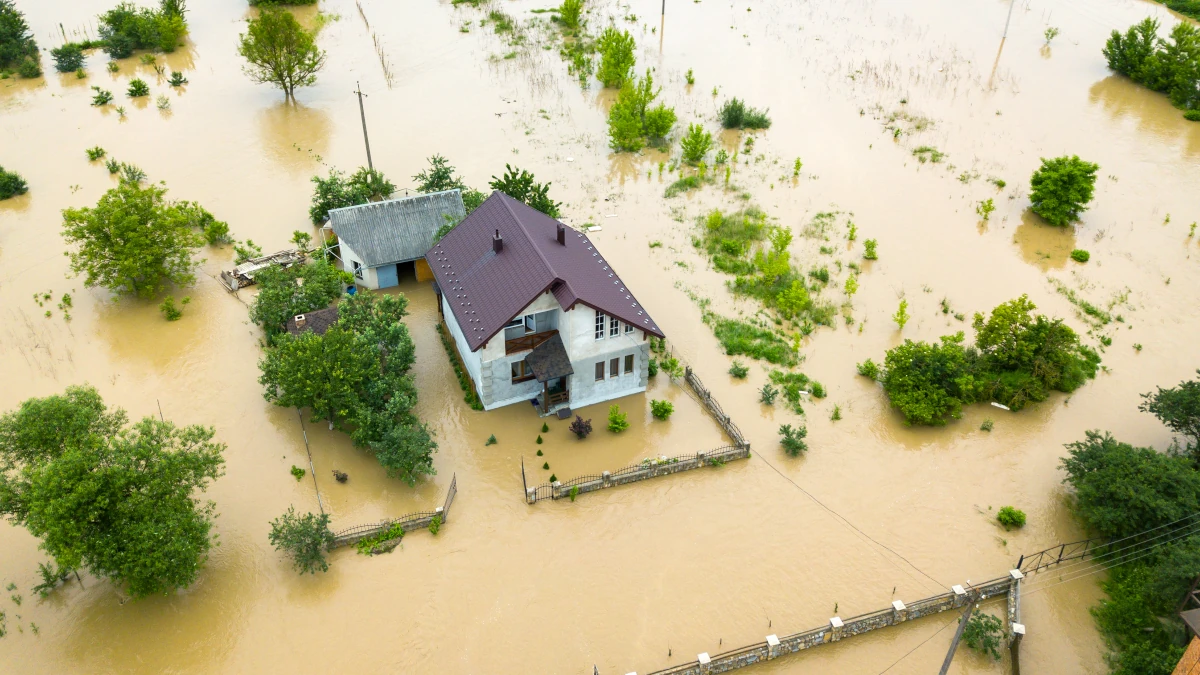
2. Flash Flooding Can Be Extremely Dangerous for Commercial Trucks
Flooding is one of the most serious weather hazards drivers can encounter.
Heavy rain can overwhelm drainage systems, creeks, rivers, underpasses, and low-lying roads in a short period.
Commercial vehicles are large, but their size does not make them immune to floodwater.
Flooded roads can create:
- Loss of traction
- Hidden road damage
- Strong currents
- Engine damage
- Electrical damage
- Brake problems
- Contaminated fluids
- Trailer damage
- Cargo damage
- Complete vehicle loss
Drivers should never assume water is safe to cross simply because another vehicle made it through.
Water depth can be difficult to judge, and roadway surfaces underneath may have been damaged or washed away.
Does Commercial Truck Insurance Cover Flood Damage?
This is one of the most important questions for truck owners.
The answer depends on the coverage you purchased.
Primary liability insurance generally does not insure your own truck against flood damage.
Instead, flood damage to your own tractor would generally fall under physical damage insurance, if the applicable cause of loss is covered by the policy.
This distinction matters.
A trucking company can have the liability insurance required to operate legally and still have little or no protection for damage to its own equipment.
3. Physical Damage Insurance Can Be Critical During Severe Weather
Physical damage insurance for commercial trucks helps protect insured equipment against covered physical losses.
Depending on the policy, physical damage insurance may include:
Collision Coverage
Collision coverage generally addresses covered damage resulting from the insured vehicle colliding with another vehicle or object.
Examples might include:
- Collision with another vehicle
- Hitting a guardrail
- Running into an object
- Rollover accidents
Comprehensive Coverage
Comprehensive coverage generally addresses certain covered losses that are not caused by a collision.
Depending on the policy, this may include events such as:
- Flood
- Hail
- Wind
- Fire
- Theft
- Vandalism
- Falling objects
This makes comprehensive physical damage coverage particularly important when discussing storm damage to commercial trucks.
Always review the actual policy wording because covered causes of loss, deductibles, exclusions, and limitations vary.
4. Flood Damage Can Total a Commercial Truck
Floodwater can cause extensive damage even when a truck appears intact from the outside.
Water can affect:
- Engine components
- Transmission components
- Bearings
- Axles
- Electrical systems
- Wiring
- Electronic control modules
- Sensors
- Cab interiors
- HVAC systems
- Brake systems
Modern commercial trucks contain extensive electronics.
Water intrusion can therefore create complicated and expensive repairs.
Saltwater flooding can be especially destructive because corrosion may continue after the immediate water exposure.
Depending on the severity of the loss, repair costs can exceed the value of the truck.
That makes accurate physical damage insurance values important.
5. Make Sure Your Truck’s Insured Value Is Accurate
Fleet owners and owner-operators should periodically review the insured value of their equipment.
If the value listed on your policy no longer reflects the truck’s actual value, you may have problems after a total loss.
Review:
- Tractor values
- Trailer values
- Permanently installed equipment
- Auxiliary power units
- Specialized equipment
- Aftermarket equipment
Do not simply renew the same values year after year without checking them.
Fall storm season is a useful reminder to review equipment values before severe weather results in a claim.
6. Hail Can Cause Significant Commercial Truck Damage
Hailstorms can damage much more than passenger vehicles.
Large hail can damage:
- Truck cabs
- Hoods
- Windshields
- Mirrors
- Lights
- Roof components
- Trailers
- Refrigeration equipment
- Exterior accessories
Severe hail can also create visibility hazards while a driver is on the road.
If significant hail is forecast, fleets should consider whether equipment can safely be relocated or parked under available protection.
However, drivers should never make unsafe decisions simply to protect equipment.
Personal safety comes first.
Covered hail damage to insured equipment may fall under comprehensive physical damage coverage, depending on the policy.
7. High Winds Create Special Risks for Tractor-Trailers
Commercial trucks have large surface areas.
That makes them especially vulnerable to high winds.
High-profile trailers can become difficult to control during severe crosswinds, particularly when they are empty or lightly loaded.
High winds can contribute to:
- Trailer sway
- Lane departure
- Rollover accidents
- Loss of control
- Falling debris
- Downed power lines
- Road closures
Empty trailers can sometimes be more vulnerable because there is less weight resisting wind forces.
Drivers should pay attention to high-wind warnings and carrier safety procedures.
If conditions become unsafe, stopping the truck may be the safest decision.
8. Hurricane Season Can Affect Trucking Operations Well Into Fall
For fleets operating near the Gulf Coast, Atlantic Coast, or areas receiving remnants of tropical systems, hurricane-related risks can continue through the fall.
Even trucks hundreds of miles from the coastline can experience effects such as:
- Heavy rain
- Flash flooding
- Tornadoes
- Damaging winds
- Road closures
- Fuel shortages
- Warehouse closures
- Delivery disruptions
Trucking companies should monitor weather not only at the truck’s current location but along the entire planned route.
Dispatchers should also have contingency procedures for loads entering areas threatened by severe tropical weather.
9. Parked Trucks Are Still Exposed to Storm Damage
A truck does not need to be moving for a weather-related claim to occur.
Parked trucks can be damaged by:
- Floodwater
- Hail
- Falling trees
- Flying debris
- Wind
- Lightning-related fires
- Collapsing structures
This is another reason primary liability coverage alone does not provide complete protection for trucking equipment.
A parked tractor damaged by rising floodwater presents a completely different insurance exposure from a tractor involved in an at-fault collision.
Physical damage insurance may therefore be especially important for fleets with substantial equipment investments.
10. Storms Can Damage Cargo Without Damaging the Truck
Weather losses do not always involve the tractor.
A trailer may develop:
- Roof damage
- Seal failure
- Water intrusion
- Door damage
- Structural damage
That can allow water to reach cargo.
Certain freight may be particularly vulnerable to moisture, including:
- Electronics
- Paper products
- Packaging
- Furniture
- Textiles
- Food products
- Building materials
- Consumer goods
Even limited water intrusion may make some shipments unsellable.
This is where motor truck cargo insurance becomes relevant.
What Does Motor Truck Cargo Insurance Cover During Storms?
Motor truck cargo insurance helps protect carriers against certain covered losses involving freight in their care, custody, or control.
Whether storm-related cargo damage is covered depends on the policy and circumstances.
Cargo insurance may contain:
- Coverage limits
- Deductibles
- Commodity exclusions
- Water-damage exclusions or restrictions
- Trailer security requirements
- Unattended vehicle provisions
- Packaging requirements
- Temperature-control provisions
Do not assume that having a cargo policy means every weather-related cargo loss is automatically covered.
Review your policy before you need it.
11. Check Trailer Condition Before Fall Storm Season
Keeping water outside the trailer is one of the simplest ways to reduce cargo claims.
Inspect:
- Trailer roofs
- Door seals
- Side panels
- Floors
- Door hardware
- Roof seams
- Previous repair areas
Small leaks may go unnoticed during dry weather.
The first major fall storm can expose them.
For fleets hauling moisture-sensitive freight, regular trailer inspections should be part of preventive maintenance.
12. Trailer Interchange Insurance May Matter During Weather Events
Many carriers regularly pull trailers they do not own.
If a non-owned trailer is damaged during a storm, the insurance situation can become more complicated.
Trailer interchange insurance may provide physical damage coverage for certain non-owned trailers being used under a written trailer interchange agreement.
Depending on the policy, covered losses might involve events such as:
- Collision
- Fire
- Theft
- Certain weather damage
Owner-operators and fleets pulling non-owned trailers should understand:
- Their trailer interchange limit
- Their deductible
- Which trailers qualify
- Contract requirements
- Policy exclusions
Do not assume your tractor’s physical damage policy automatically protects every trailer attached to it.
13. Cargo Securement Becomes Even More Important in Bad Weather
High winds and sudden vehicle movements can increase cargo movement inside a trailer.
Proper cargo securement is essential under normal conditions and becomes even more important during severe weather.
Drivers should verify that freight is secured appropriately before departure.
Pay particular attention to:
- Heavy freight
- Tall loads
- Mixed cargo
- Partial loads
- Multi-stop shipments
- Freight that can shift when wet
A shifting load can change the truck’s handling characteristics or damage other cargo.
14. Fall Brings Reduced Daylight and Visibility
Fall does not only bring storms.
Days also become shorter.
That means more driving may occur:
- Before sunrise
- After sunset
- During twilight
- In fog
- During rain
Reduced visibility can increase accident risk.
Before fall weather arrives, inspect:
- Headlights
- Brake lights
- Marker lights
- Turn signals
- Reflective tape
- Windshield wipers
- Washer fluid
- Mirrors
Good visibility helps drivers identify hazards earlier.
15. Fog Can Create Dangerous Driving Conditions
Fall mornings frequently bring fog in many parts of the country.
Dense fog can dramatically reduce visibility.
Drivers should:
- Reduce speed
- Increase following distance
- Use appropriate headlights
- Avoid high beams in dense fog
- Watch lane markings
- Avoid sudden maneuvers
- Stop in a safe location if visibility becomes too poor
A tractor-trailer requires substantial distance to stop.
Driving faster than visibility allows can make it impossible to respond to traffic stopped ahead.
16. Falling Leaves Can Reduce Traction
Wet leaves may seem minor compared with floods and thunderstorms, but they can create slippery road surfaces.
They may also:
- Cover pavement markings
- Hide potholes
- Block drainage
- Contribute to standing water
Drivers should use additional caution on tree-lined routes, local roads, terminals, and loading areas during fall.
17. Falling Temperatures Can Affect Tire Pressure
As temperatures decrease, tire pressure can change.
Commercial truck tires should be inspected regularly as seasonal temperatures shift.
Improper tire pressure can contribute to:
- Irregular wear
- Heat buildup
- Reduced handling
- Tire failure
Drivers should follow manufacturer and fleet specifications when checking inflation.
Fall is an ideal time to incorporate tire-pressure checks into seasonal maintenance procedures.
18. Early Freezing Conditions Can Catch Drivers Off Guard
Some areas experience freezing temperatures well before winter officially begins.
Bridges and overpasses may freeze before surrounding roadways.
Drivers traveling into northern or higher-elevation areas should be prepared for:
- Frost
- Black ice
- Freezing rain
- Early snow
- Rapid temperature changes
Do not base weather planning solely on conditions at the point of origin.
A truck can cross several climate zones during a long-haul trip.
19. Severe Weather Can Create Road Closures and Detours
Flooding, fallen trees, damaged bridges, and emergency response activity can close roads unexpectedly.
Detours may cause:
- Additional mileage
- Fuel costs
- Delivery delays
- Driver-hours problems
- Unfamiliar routes
Dispatchers should monitor road conditions throughout severe weather events.
Drivers should not attempt to bypass official road closures.
If authorities have closed a flooded roadway, the safest assumption is that there is a reason.
20. Storm-Related Delays Can Create Cargo Problems
Some cargo is time-sensitive.
Delivery delays caused by major weather events can create additional risks for:
- Refrigerated freight
- Produce
- Frozen products
- Pharmaceuticals
- Certain food products
If a truck becomes stranded by flooding or road closures, reefer fuel and equipment operation become especially important.
Drivers hauling refrigerated freight should:
- Monitor trailer temperature
- Monitor reefer fuel
- Watch alarms
- Maintain records
- Notify dispatch immediately when significant delays occur
Whether delayed or spoiled cargo is covered depends on the cargo policy and cause of loss.
21. Avoid Flood-Damaged Parking Areas
Parking location can make a major difference during heavy rain.
Truck stops, terminals, yards, warehouses, and staging areas may have low-lying sections vulnerable to flooding.
When severe rain is forecast:
- Avoid obviously low areas
- Watch drainage conditions
- Pay attention to flood warnings
- Avoid parking near creeks or drainage channels
- Follow evacuation instructions
If rising water threatens parked equipment and it can be moved safely, early relocation may prevent significant damage.
Never risk personal safety simply to move equipment.
22. Have a Severe Weather Communication Plan
Small fleets should not improvise every time severe weather occurs.
Create a simple process defining:
- Who monitors weather
- Who decides whether routes should change
- How drivers report hazards
- When drivers should stop
- Who contacts customers
- How stranded drivers request assistance
- How incidents are reported
Drivers should know they have authority to stop when weather conditions become unsafe.
Safety procedures are much more effective when expectations are established before the storm arrives.
23. Know What to Do After Storm Damage
If a truck, trailer, or cargo is damaged during a storm:
- Make sure everyone is safe.
- Contact emergency services when necessary.
- Avoid entering dangerous floodwater.
- Photograph the damage when safe.
- Document the location.
- Document weather conditions.
- Protect cargo from additional damage when reasonably possible.
- Notify dispatch or fleet management.
- Contact your insurance agent or carrier promptly.
- Follow claim instructions.
Good documentation can be extremely valuable during a commercial trucking insurance claim.
24. Don’t Start a Flood-Damaged Truck Without Inspection
If floodwater has reached critical mechanical or electrical components, attempting to start the engine can sometimes create additional damage.
A flood-exposed truck may have water in:
- Engine components
- Intake systems
- Electrical systems
- Fluids
Follow appropriate recovery and mechanical inspection procedures.
If the truck has experienced significant flooding, professional evaluation is usually safer than attempting to drive it immediately.
25. Understand the Difference Between Liability and Physical Damage
This is one of the most important insurance concepts for trucking companies to understand.
Primary Liability Insurance
Primary liability insurance generally protects against covered claims involving injuries or property damage the trucking operation causes to other parties.
Example:
Your truck hydroplanes during heavy rain and causes an at-fault collision with another vehicle.
Primary liability may respond to covered damages involving the other party.
Physical Damage Insurance
Physical damage insurance protects the insured truck itself against covered physical losses.
Example:
Your parked tractor is damaged by floodwater or hail.
Physical damage coverage may respond if the cause of loss is covered.
These coverages are not interchangeable.
26. Understand the Difference Between Physical Damage and Cargo Insurance
Another important distinction:
Physical damage insurance protects your covered equipment.
Motor truck cargo insurance protects covered freight.
Suppose a severe storm damages both your trailer and the merchandise inside it.
Multiple coverages may potentially become involved.
The trailer damage and cargo damage represent separate exposures.
That is why trucking companies need an insurance program rather than assuming one policy covers everything.
27. General Liability Is Not a Replacement for Commercial Auto Liability
Trucking general liability insurance addresses certain business liability risks outside direct operation of covered commercial vehicles.
It should not be confused with primary auto liability coverage.
A weather-related roadway accident involving your tractor is fundamentally different from a general business liability claim.
Fleet owners should understand exactly which policies address each part of their operation.
28. Review Your Deductibles Before Severe Weather Season
Physical damage and cargo policies typically have deductibles.
Fleet owners should understand how much they would need to pay out of pocket after a claim.
Review:
- Tractor physical damage deductibles
- Trailer deductibles
- Cargo deductibles
- Applicable comprehensive deductibles
A higher deductible can reduce insurance premiums in some situations, but it also increases the amount the business must absorb after a loss.
Choose deductibles your company can realistically afford.
29. Consider the Financial Impact of Truck Downtime
Repairing physical damage is only part of the financial problem after a severe storm.
If a truck is out of service, the fleet may also lose revenue.
Additional expenses may include:
- Towing
- Storage
- Rental equipment
- Driver expenses
- Missed loads
- Customer penalties
- Temporary equipment
Ask your insurance agent about available coverage options related to:
- Towing
- Rental reimbursement
- Downtime
- Roadside assistance
Availability and terms vary by policy.
30. Claims Prevention Can Help Control Long-Term Insurance Costs
Weather cannot be controlled.
Exposure can.
A fleet that consistently:
- Maintains equipment
- Trains drivers
- Monitors severe weather
- Avoids unnecessary risk
- Maintains safe parking procedures
- Documents inspections
- Responds quickly to hazards
may prevent losses that otherwise become insurance claims.
Claims history is one factor insurers may consider when determining commercial truck insurance rates.
Reducing preventable claims can therefore be good for both safety and long-term business costs.
What Trucking Insurance Coverage May Apply to Fall Weather Claims?
The exact coverage depends on the circumstances and policy terms.
A typical trucking insurance program may include several policies.
Primary Liability Insurance
May address covered bodily injury or property damage caused to third parties during commercial trucking operations.
Physical Damage Insurance
May protect insured tractors and other equipment against covered collision and comprehensive losses, including certain weather-related events.
Motor Truck Cargo Insurance
May protect covered cargo against certain losses during transportation.
Trailer Interchange Insurance
May protect certain non-owned trailers in the insured’s possession under a written trailer interchange agreement.
General Liability Insurance
Addresses certain non-auto business liability exposures.
Umbrella or Excess Liability Insurance
May provide additional limits over specified underlying liability policies.
Each coverage solves a different problem.
Fall Weather Insurance Checklist for Trucking Companies
Before storm season intensifies, review the following.
Trucks
- Are all tractors properly listed on the policy?
- Are vehicle values accurate?
- Is physical damage coverage active?
- Is comprehensive protection included?
- Are deductibles understood?
Trailers
- Are owned trailers properly insured?
- Are non-owned trailers covered appropriately?
- Is trailer interchange coverage needed?
- Are roofs and seals inspected?
Cargo
- Is motor truck cargo coverage active?
- Are limits sufficient?
- Are current commodities covered?
- Are water-damage provisions understood?
- Are high-value goods properly insured?
Drivers
- Do drivers understand severe weather procedures?
- Do drivers know when to stop?
- Is accident reporting training current?
- Do drivers know how to document storm damage?
Equipment
- Are tires properly inflated?
- Are windshield wipers in good condition?
- Are lights working?
- Are brakes maintained?
- Are trailer seals intact?
Operations
- Is someone monitoring severe weather?
- Are alternate routes available?
- Are parking locations evaluated?
- Can customers be contacted quickly after major delays?
Claims
- Does every driver know how to report an incident?
- Is insurance contact information readily available?
- Is documentation retained after losses?
Frequently Asked Questions About Trucking Insurance and Storm Damage
Does commercial truck insurance cover flood damage?
Flood damage to your own truck may be covered under applicable comprehensive physical damage coverage, depending on the policy. Primary liability insurance generally does not protect your own truck from flood damage.
Does trucking insurance cover hail damage?
Hail damage may be covered under comprehensive physical damage coverage if hail is a covered cause of loss under the policy.
Does truck insurance cover storm damage?
Certain types of storm damage may be covered under physical damage insurance, depending on the cause of loss and policy terms.
Does primary liability cover weather damage to my truck?
Generally, primary liability is designed to cover certain third-party bodily injury and property damage claims, not weather damage to your own equipment.
What insurance protects my semi truck from flood damage?
Physical damage insurance with applicable comprehensive coverage may provide protection against covered flood losses.
Does cargo insurance cover water damage?
Motor truck cargo insurance may cover certain water-related cargo losses, but exclusions, limitations, and policy conditions vary. Review the specific policy.
Does insurance cover cargo damaged during a storm?
Potentially. Coverage depends on the cause of loss, commodity, policy wording, limits, deductibles, and exclusions.
Does trailer interchange insurance cover storm damage?
Trailer interchange insurance may provide coverage for certain covered losses to qualifying non-owned trailers, depending on policy terms.
What insurance should a trucking company have for severe weather?
A trucking insurance program may include primary liability, physical damage, cargo insurance, trailer interchange, general liability, and other coverage depending on the operation.
Can weather-related trucking claims increase insurance premiums?
Claims history is one of many underwriting factors that can affect commercial truck insurance pricing.
Don’t Wait Until After the Storm to Understand Your Coverage
The worst time to learn what your trucking insurance covers is after a truck is sitting in floodwater.
Before severe fall weather arrives, trucking companies should understand:
- What protects the tractor
- What protects the trailer
- What protects the cargo
- What protects against third-party liability
- Which deductibles apply
- Which exclusions exist
- Whether equipment values are accurate
Weather is unpredictable.
Your insurance program should not be.
Regular insurance reviews can help ensure your commercial truck insurance coverage continues to match your equipment, cargo, drivers, and operations.
Need Help Reviewing Your Trucking Insurance Before Fall?
Cook Insurance Group works with owner-operators, trucking companies, small fleets, and motor carriers to help structure commercial trucking insurance coverage around their actual operations.
If you’re preparing for fall storms, reviewing equipment values, expanding your fleet, or simply unsure whether your current policy protects your trucks and cargo from weather-related risks, our team can help you review your options.
Available coverage options may include:
- Commercial Truck Insurance
- Primary Liability Insurance
- Physical Damage Insurance
- Motor Truck Cargo Insurance
- General Liability Insurance
- Trailer Interchange Insurance
- Occupational Accident Insurance
- Non-Trucking Liability Insurance
- Fleet Insurance
- New Authority Insurance
- DOT Filing Assistance
- Umbrella and Excess Liability Coverage
Request a commercial trucking insurance quote from Cook Insurance Group and make sure your operation is prepared before severe weather arrives.