Hazardous Materials Hauling Insurance Requirements & Cost-Saving Tips
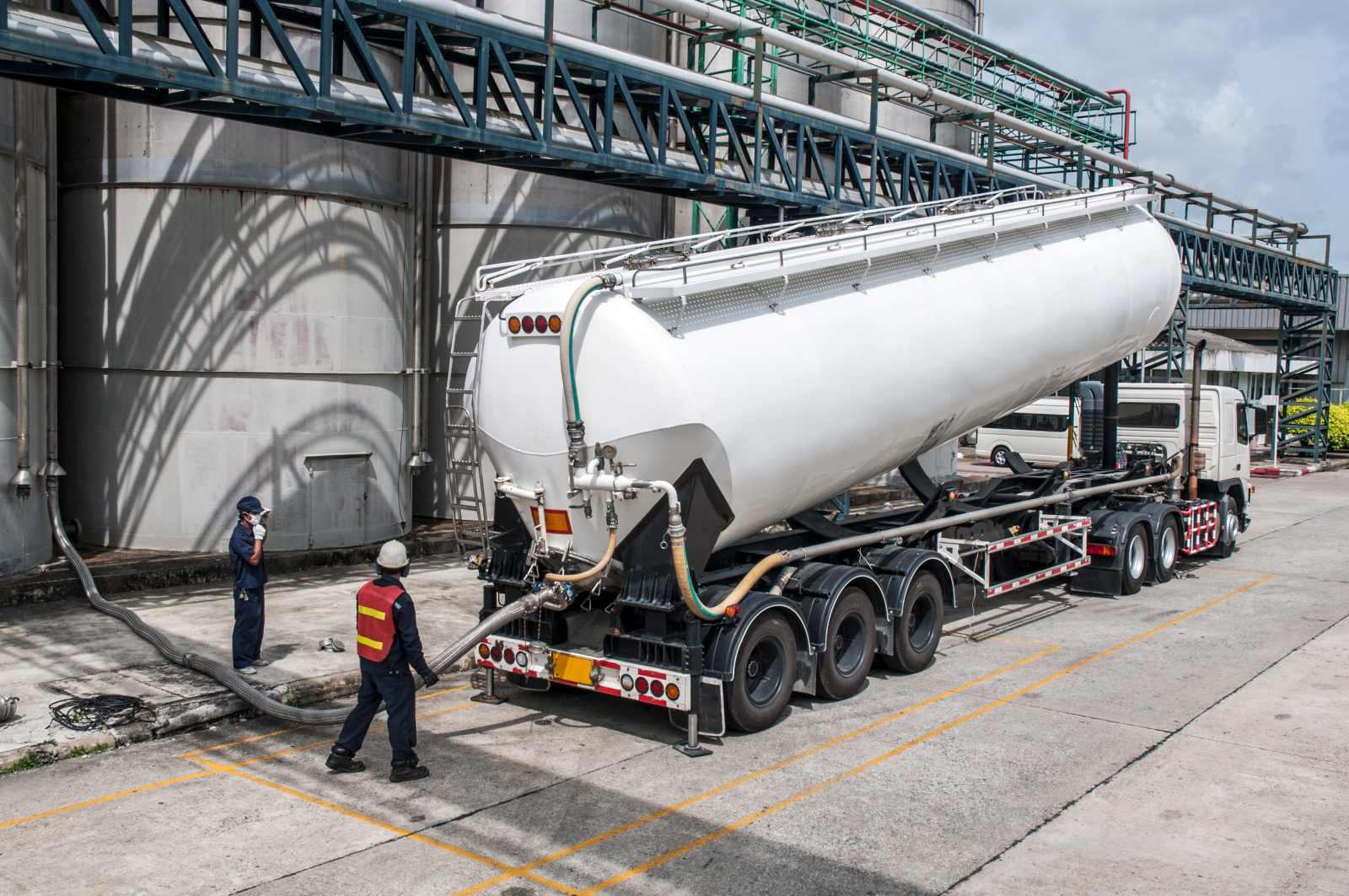
Hauling hazardous materials is not the same as hauling general freight.
The freight may pay better. The customers may be more specialized. The lanes may be more consistent. But the risk is also higher, and insurance companies know it.
If your trucking business transports fuel, chemicals, gases, flammable liquids, hazardous waste, corrosive materials, or other regulated materials, your insurance program needs to be built carefully. A basic commercial truck insurance policy may not be enough. Hazmat carriers often face higher liability limits, stricter underwriting, additional filings, more compliance requirements, and closer attention from insurance carriers.
That does not mean hazardous materials hauling has to be unaffordable. It means your insurance needs to be structured correctly from the beginning.
In this guide, we will walk through the major insurance requirements for hazardous materials haulers, what affects the cost of hazmat trucking insurance, and practical ways trucking companies can reduce risk and control premiums.
What Is Hazardous Materials Hauling?
Hazardous materials hauling refers to transporting materials that may create a safety, environmental, health, fire, explosion, or contamination risk if they are involved in an accident, spill, leak, rollover, or improper handling situation.
Common examples may include:
- Fuel and petroleum products
- Chemicals
- Paints, solvents, and adhesives
- Propane or compressed gases
- Fertilizers and agricultural chemicals
- Hazardous waste
- Corrosive materials
- Flammable liquids
- Explosives or blasting materials
- Certain batteries or energy storage products
- Bulk liquids in tankers
- Materials requiring placards under federal hazardous materials regulations
The key point is this: if the freight creates a larger public safety or environmental exposure, insurance carriers are going to treat the operation differently.
A dry van hauling packaged retail goods is one risk profile. A tanker hauling flammable liquid is another. A carrier hauling chemicals across state lines is another. The type of material, the quantity, the packaging, the route, and the equipment all matter.
Why Hazmat Trucking Insurance Is More Complex
Hazmat trucking insurance is more complex because one claim can involve several layers of loss.
A standard trucking accident may involve vehicle damage, bodily injury, cargo damage, and cleanup. A hazardous materials accident may also involve environmental cleanup, evacuation, fire response, contamination, regulatory reporting, third-party property damage, and business interruption for customers or nearby businesses.
That is why insurance companies review hazmat operations more closely.
They want to know:
- What materials are being hauled
- Whether loads are bulk or packaged
- Whether placards are required
- What routes are being used
- Whether the carrier crosses state lines
- What safety procedures are in place
- Whether drivers have proper endorsements and training
- What the carrier’s loss history looks like
- Whether the equipment is properly maintained
- Whether the trucking company has strong documentation practices
For hazmat carriers, insurance is not just about meeting a minimum requirement. It is about protecting the business from the kind of claim that can become financially devastating very quickly.
Basic Insurance Coverages Hazmat Haulers May Need
Every hazardous materials operation is different, but most hazmat trucking insurance programs are built from several major coverage types.
Primary Liability Insurance
Primary liability insurance is one of the most important coverages for any motor carrier. It helps protect against bodily injury and property damage claims caused by the operation of a covered commercial vehicle.
For hazardous materials carriers, liability limits may need to be higher depending on the cargo, vehicle type, and authority requirements. This is one of the first areas that should be reviewed before accepting hazmat loads.
If the liability limit is too low, the carrier may not meet federal, state, shipper, or broker requirements.
Motor Truck Cargo Insurance
Motor truck cargo insurance helps protect the freight being transported.
For hazmat carriers, cargo coverage must be reviewed carefully because not all cargo policies automatically respond the same way to hazardous materials. Some policies may exclude certain commodities. Others may limit coverage depending on the material, packaging, temperature control, theft exposure, or contamination risk.
Before hauling hazardous materials, the trucking company should confirm that the policy actually covers the type of freight being transported.
This is especially important for carriers hauling chemicals, fuel, waste, or specialized materials where cargo values and cleanup responsibilities can be significant.
Pollution Liability Coverage
Pollution liability is one of the most important coverage considerations for hazardous materials hauling.
A spill, leak, fire, or release of hazardous material can trigger cleanup costs, environmental damage claims, emergency response expenses, and third-party property damage. Standard auto liability policies may not fully address these exposures, depending on the policy language and circumstances of the loss.
Some trucking policies include limited pollution coverage. Others require endorsements or separate pollution liability protection.
This is an area where hazmat carriers should never assume they are covered. The wording matters.
Physical Damage Insurance
Physical damage insurance helps protect the truck, tractor, trailer, and sometimes permanently attached equipment from covered losses such as collision, theft, fire, vandalism, and certain weather-related damage.
For hazardous materials carriers, equipment can be expensive. Tankers, pumps, hoses, specialized trailers, and safety equipment may increase the value of the insured unit. If the equipment is underinsured, a claim settlement may not be enough to replace or repair what the business actually uses.
Physical damage insurance should be reviewed against current equipment values, loan requirements, and replacement costs.
General Liability Insurance
General liability insurance helps protect the business from certain non-auto liability claims. This may include claims related to business premises, operations away from the vehicle, or certain customer-related exposures.
For hazmat operations, general liability can be especially important if the trucking business has a yard, storage area, maintenance activity, loading assistance, or other operations outside of driving.
Trailer Interchange or Non-Owned Trailer Coverage
If a carrier pulls trailers it does not own, trailer interchange or non-owned trailer coverage may be needed.
This matters for hazmat operations because specialized trailers can be expensive, and agreements with shippers, brokers, or other carriers may require specific coverage before a load is released.
Umbrella or Excess Liability Coverage
Umbrella or excess liability coverage provides additional limits above underlying policies.
Hazardous materials hauling can create large claim exposure. Even if a carrier meets the minimum required limit, that does not always mean the business is fully protected. Some shippers, brokers, and contracts may also require higher limits before allowing a hazmat carrier to haul certain commodities.
For growing fleets, umbrella or excess liability coverage may become more important as contracts, vehicle count, and revenue increase.
Occupational Accident or Workers’ Compensation
Drivers face real risk in hazardous materials transportation. Depending on the business structure, state requirements, driver classification, and contract requirements, a trucking company may need workers’ compensation, occupational accident coverage, or both.
This should be reviewed carefully, especially for fleets using owner operators, leased drivers, or mixed driver arrangements.
Federal and State Requirements Hazmat Carriers Should Understand
Hazmat insurance requirements are not one-size-fits-all.
A carrier’s requirements may depend on:
- Vehicle weight
- Cargo classification
- Quantity of hazardous material
- Whether the material is transported in bulk
- Whether placards are required
- Whether the carrier operates interstate or intrastate
- Whether the carrier needs operating authority
- Whether the carrier needs a Hazardous Materials Safety Permit
- State-specific hazmat registration or permitting rules
- Shipper and broker contract requirements
Some hazardous materials carriers must register with PHMSA. Some also need an FMCSA Hazardous Materials Safety Permit. Some may have state-level requirements in addition to federal requirements.
This is where many trucking companies get into trouble. They assume that because they have a DOT number, MC number, or commercial truck insurance policy, they are ready to haul hazmat. That may not be true.
Before accepting hazardous materials loads, a carrier should verify:
- Required liability limits
- Required federal filings
- PHMSA registration requirements
- FMCSA permit requirements
- State registration or permit requirements
- Hazmat endorsement requirements for drivers
- Security plan requirements
- Shipper or broker insurance requirements
- Policy exclusions related to hazardous materials or pollution
A good trucking insurance agent can help identify the insurance side of the exposure, but the carrier should also stay aligned with DOT, FMCSA, PHMSA, and state compliance requirements.
What Affects the Cost of Hazardous Materials Trucking Insurance?
Hazmat trucking insurance usually costs more than standard trucking insurance because the risk is higher. But not every hazmat carrier is rated the same.
Insurance carriers look at several factors when pricing coverage.
Type of Hazardous Material
The material being hauled is one of the biggest cost factors.
Fuel, explosives, corrosive chemicals, hazardous waste, and bulk liquids may be treated differently than packaged materials or lower-risk regulated commodities. The more severe the potential loss, the more carefully the insurance company will price the policy.
Bulk vs. Packaged Freight
Bulk hazardous materials usually create greater exposure than smaller packaged shipments.
A tanker rollover or bulk spill can involve cleanup, environmental response, evacuation, road closure, and third-party claims. Packaged freight can still be serious, but the scale of the release may be different.
Radius of Operation
A carrier running local or regional routes may be priced differently than a carrier running long-haul interstate lanes.
More miles usually means more exposure. Congested routes, weather-heavy regions, mountain passes, ports, oilfield areas, and major metro traffic can also affect risk.
For carriers operating in Texas, Oklahoma, Arkansas, and surrounding states, insurance companies may also consider weather exposure, freight lanes, oil and gas activity, and regional claim trends.
Driver Experience
Driver quality matters heavily in hazmat underwriting.
Insurance companies want to see experienced CDL drivers with proper endorsements, clean motor vehicle records, stable work history, and documented training. A hazmat carrier with inexperienced drivers, frequent turnover, or poor MVRs will usually pay more.
Safety Scores and Compliance History
CSA scores, DOT inspections, violations, out-of-service history, crashes, and maintenance issues can all affect insurance pricing.
For hazmat carriers, compliance issues are especially damaging because they signal increased risk. A pattern of violations can make coverage more expensive or limit the number of insurance markets willing to quote the account.
Loss History
Past claims are one of the strongest pricing factors.
A carrier with clean loss runs is usually more attractive to insurance companies. A carrier with frequent accidents, cargo claims, spills, or severe losses will face higher premiums and may have fewer coverage options.
Equipment Type and Condition
The type, age, value, and condition of tractors and trailers can influence cost.
Hazmat operations may require tankers, specialized trailers, pumps, hoses, valves, and safety equipment. Insurance carriers may want to know how equipment is inspected, maintained, stored, and documented.
Coverage Limits and Contract Requirements
Higher liability limits, pollution limits, cargo limits, and umbrella limits increase premium. However, carrying too little coverage can prevent a trucking company from qualifying for better contracts.
The goal is not simply to buy the cheapest policy. The goal is to buy the right coverage for the freight being hauled and the contracts being pursued.
Cost-Saving Tips for Hazardous Materials Haulers
Hazmat insurance is expensive, but there are practical ways to control cost without weakening the business.
1. Match Coverage to the Actual Freight You Haul
Do not let your policy be too broad or too narrow.
If you haul only certain types of hazardous materials, your insurance application and policy should accurately reflect that. If your operation changes, update your agent before taking on new freight.
Misclassifying operations can create two problems: you may overpay for exposures you do not have, or worse, you may find out after a claim that the policy does not match your real operation.
2. Keep Driver Files Clean and Current
Driver documentation is a major underwriting factor.
Maintain organized records for:
- CDL status
- Hazmat endorsements
- MVR reviews
- Medical cards
- Training records
- Road tests
- Employment history
- Drug and alcohol testing compliance
- Incident reports
- Corrective action documentation
Well-managed driver files make the business look more professional to insurance carriers and can support better underwriting outcomes.
3. Invest in Safety Training
For hazmat carriers, safety training is not just a compliance task. It is an insurance strategy.
Training should cover:
- Loading and unloading procedures
- Spill response basics
- Securement
- Placarding awareness
- Emergency communication
- Route planning
- Defensive driving
- Fatigue management
- Inspection procedures
- Incident reporting
Insurance companies prefer carriers that can show a real safety culture, not just a binder of documents that no one uses.
4. Use Telematics and Dash Cameras
Telematics, GPS tracking, and dash cameras can help reduce claims and improve accountability.
These tools can document speed, harsh braking, hard cornering, following distance, driver behavior, route history, and accident details. For hazmat operations, that information can be valuable during underwriting and claims.
Technology alone does not guarantee lower premiums, but it can help support a stronger risk profile when paired with consistent safety management.
5. Review Loss Runs Before Renewal
Do not wait until renewal week to review your claims history.
Loss runs should be reviewed throughout the year. If there is an open claim, incorrect reserve, duplicate claim, or missing claim detail, it should be addressed early.
A mid-year loss run review gives the business time to clean up underwriting issues before insurance carriers start quoting the renewal.
6. Maintain Equipment Before It Becomes a Claim
Poor maintenance creates claims, violations, downtime, and higher insurance costs.
Hazmat carriers should be especially disciplined with:
- Brake inspections
- Tire condition
- Lighting
- Tank integrity
- Hose and valve condition
- Trailer inspections
- Emergency equipment
- Leak prevention
- Preventive maintenance schedules
- Maintenance documentation
A strong maintenance program can help reduce roadside violations and support better insurance conversations.
7. Avoid Chasing Freight That Does Not Fit Your Insurance Program
Not every load is worth taking.
A high-paying hazardous materials load may look attractive, but if it requires coverage you do not have, exposes the business to a new commodity class, or violates policy conditions, it may create serious risk.
Before accepting a new type of hazmat freight, confirm the insurance requirements first.
8. Work With a Trucking-Focused Insurance Agency
Hazardous materials hauling is too specialized for a generic commercial insurance approach.
A trucking-focused agency understands the difference between primary liability, motor truck cargo, pollution exposure, physical damage, trailer interchange, filings, DOT authority assistance, and contract-driven insurance requirements.
That matters because the cheapest quote is not always the best quote. A low premium with the wrong exclusions can become very expensive after a claim.
Common Mistakes Hazmat Carriers Should Avoid
Hazmat carriers can reduce problems by avoiding a few common insurance mistakes.
Assuming Pollution Is Automatically Covered
Pollution coverage should always be reviewed directly. Do not assume it is included just because the policy is a trucking policy.
Ask what pollution coverage applies, what limits are available, what exclusions exist, and whether cleanup costs are addressed.
Hauling New Materials Without Updating the Policy
If your business starts hauling a new type of hazardous material, tell your insurance agent before the load moves.
Insurance companies price and approve accounts based on declared operations. Changing commodities without updating the policy can create coverage problems.
Letting Filings or Registrations Lapse
Hazmat carriers may have federal and state registrations, filings, permits, and insurance requirements. Missing a filing or renewal can interrupt operations and create compliance issues.
Use a renewal calendar and assign responsibility to someone in the business.
Choosing Limits Based Only on Minimum Requirements
Minimum requirements are not always enough.
A shipper, broker, or contract may require higher limits. A severe claim may also exceed minimum coverage. Hazmat carriers should choose limits based on actual risk, not just the lowest number allowed.
Ignoring Contract Insurance Requirements
Before signing a contract, review the insurance section.
Contracts may require specific liability limits, cargo limits, pollution coverage, waiver of subrogation, additional insured status, primary and noncontributory wording, or other endorsements. These requirements should be reviewed before the carrier agrees to the work.
Insurance Checklist Before Hauling Hazardous Materials
Before taking on hazardous materials freight, review this checklist:
- Confirm the exact commodity being hauled
- Confirm whether the freight requires placards
- Confirm whether PHMSA registration applies
- Confirm whether an FMCSA Hazardous Materials Safety Permit applies
- Confirm state-level registration or permit requirements
- Verify required liability limits
- Review cargo coverage for commodity exclusions
- Review pollution liability coverage
- Confirm driver hazmat endorsements and training
- Review shipper or broker insurance requirements
- Confirm required filings
- Check physical damage coverage for equipment values
- Confirm trailer interchange or non-owned trailer coverage if needed
- Review emergency response procedures
- Maintain documentation for inspections, training, and maintenance
This checklist should be reviewed before quoting new hazmat work, not after the load has already been accepted.
How Cook Insurance Group Helps Hazmat Trucking Companies
Cook Insurance Group focuses on trucking insurance. That focus matters for hazardous materials carriers because hazmat operations require more than a basic commercial auto policy.
Our team helps trucking companies review coverage options for:
- Commercial truck insurance
- Primary liability coverage
- Physical damage insurance
- Motor truck cargo insurance
- General liability insurance
- Trailer interchange coverage
- Occupational accident coverage
- Non-trucking liability
- Fleet insurance
- New authority insurance
- DOT filing assistance
- Umbrella and excess liability coverage
- Additional coverage options for specialized trucking operations
Whether you are a single owner operator, a growing small fleet, or an established trucking company, the goal is the same: build an insurance program that fits the freight you haul, the contracts you pursue, and the risks your business actually faces.
Hazardous materials hauling can be profitable, but it needs to be handled correctly. The right insurance program can help protect your business, satisfy contract requirements, and give you more confidence when bidding on specialized freight.
Final Thoughts
Hazardous materials hauling is not an area where trucking companies should guess.
The insurance requirements can be higher. The compliance requirements can be stricter. The claims can be more severe. But with the right planning, documentation, safety program, and insurance partner, hazmat carriers can manage risk and control costs.
If your trucking company hauls hazardous materials or is considering adding hazmat freight, review your coverage before accepting the load.
A conversation now can help prevent a much larger problem later.
Frequently Asked Questions About Hazmat Trucking Insurance
What insurance do I need to haul hazardous materials?
Most hazmat carriers need primary liability insurance, motor truck cargo insurance, physical damage coverage, and some form of pollution liability protection. Depending on the operation, the carrier may also need general liability, trailer interchange, occupational accident, workers’ compensation, umbrella or excess liability, and required federal or state filings.
Is hazmat trucking insurance more expensive?
Yes, hazardous materials trucking insurance is usually more expensive than standard trucking insurance because the risk is higher. A hazmat accident can involve injuries, property damage, cargo loss, environmental cleanup, emergency response, and regulatory issues.
Does cargo insurance cover hazardous materials?
Not always. Cargo coverage must be reviewed carefully. Some policies exclude certain hazardous materials or limit coverage based on the commodity, packaging, value, or type of operation. Always confirm coverage before hauling a new hazardous material.
Do hazmat carriers need pollution liability insurance?
Many hazmat carriers should strongly consider pollution liability coverage. A spill, leak, fire, or contamination event can create cleanup costs and third-party claims that may not be fully covered by a basic policy.
Can safety programs lower hazmat insurance costs?
A strong safety program can help. Insurance carriers often look more favorably at trucking companies with clean loss history, organized driver files, documented training, telematics, dash cameras, preventive maintenance, and strong compliance practices.
Should I review insurance before accepting hazmat freight?
Yes. Before accepting a hazardous materials load, confirm the required insurance limits, cargo coverage, pollution coverage, filings, driver qualifications, and contract requirements. This helps avoid coverage gaps and compliance issues.