
Comparing Liability vs. Cargo vs. Physical Damage Coverage: What You Really Need
Absolutely—here’s the article directly in the chat. The text from the title through the final call to action is the copy to paste into WordPress. I’ve kept the SEO settings and linking notes separate afterward.
Comparing Liability vs. Cargo vs. Physical Damage Coverage: What You Really Need
Commercial trucking insurance can feel confusing because several coverages may be connected to the same accident while protecting completely different things.
A tractor-trailer collision could injure another driver, damage the freight inside the trailer, and leave your own truck needing major repairs. Those are three losses from one accident—but they may fall under three separate coverages:
- Primary liability insurance helps protect against covered bodily injury and property damage claims made by other parties.
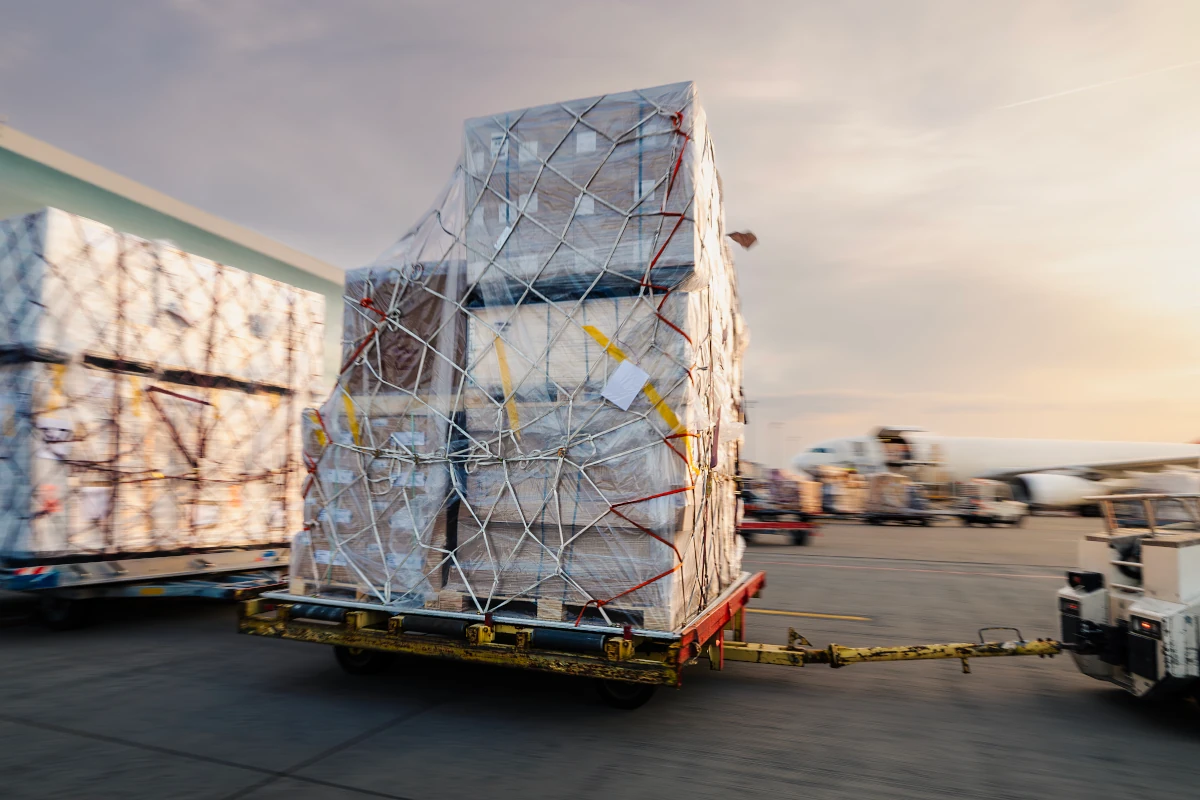
- Motor truck cargo insurance helps protect the freight you are responsible for transporting.
- Physical damage insurance helps protect your own insured truck and scheduled equipment.
Many owner-operators and fleet owners assume that carrying commercial truck liability insurance means the entire operation is protected. It does not. Liability, cargo, and physical damage coverage solve different problems, and leaving one out can create a costly gap.
This guide compares liability vs. cargo vs. physical damage insurance, explains what each coverage generally protects, and helps you identify what your trucking operation may need.
The short answer: What does each coverage protect?
The easiest way to understand these three coverages is to ask: Who or what suffered the loss?
| Coverage | Primarily protects | Example |
|---|---|---|
| Primary liability | Other people and their property | Your truck causes an accident that injures another driver and damages their vehicle |
| Motor truck cargo | Freight in your care, custody, or control | Cargo is damaged in a covered rollover or stolen from a trailer |
| Physical damage | Your insured truck and scheduled equipment | Your tractor is damaged in a collision, fire, hailstorm, or theft |
These coverages complement one another. One is not a substitute for the other two.
What is primary liability insurance?
Primary liability insurance for truckers helps protect an insured motor carrier when it is legally responsible for covered bodily injury or property damage suffered by another party.
If your driver causes an accident, primary liability coverage may help address eligible expenses such as:
- Medical costs for injured third parties
- Damage to other vehicles
- Damage to buildings, guardrails, signs, or other property
- Certain environmental restoration expenses
- Legal defense costs
- Covered settlements or court judgments
Coverage depends on the policy’s limits, exclusions, endorsements, and other terms.
Example of a primary liability claim
Your driver changes lanes and collides with a passenger vehicle. The other driver is injured, their vehicle is totaled, and a highway barrier is damaged.
The bodily injury and property damage claims would generally be the types of losses addressed by primary liability insurance, assuming the claim is covered.
Primary liability would not ordinarily pay to repair your own tractor or replace the customer’s freight inside the trailer. Those exposures require different coverage.
Is primary liability insurance required?
Many interstate for-hire motor carriers must maintain federally required financial responsibility and have the appropriate proof on file before operating authority can be granted. Requirements depend on the type of carrier, authority, vehicle, and cargo.
For example, the Federal Motor Carrier Safety Administration currently lists a $750,000 public-liability minimum for certain for-hire, non-hazardous property carriers operating vehicles with a gross vehicle weight rating of at least 10,001 pounds. Different minimums apply to lighter vehicles and certain hazardous-material operations. These are requirements for the specified operations—not universal recommendations for every trucking company. State rules and contracts may require different or higher limits. www.fmcsa.dot.gov
To understand this coverage in greater depth, read our guide to primary liability insurance for commercial trucks.
What is motor truck cargo insurance?
Motor truck cargo insurance helps protect freight against covered loss or damage while it is in the motor carrier’s care, custody, or control.
Depending on the policy, covered cargo claims may involve:
- Collision or overturn
- Fire
- Theft
- Certain loading or unloading losses
- Water damage
- Refrigeration breakdown, when specifically covered
- Other covered causes of loss
Cargo insurance is highly dependent on policy wording. The commodities listed, exclusions, sublimits, valuation method, security requirements, and endorsements all matter.
Example of a cargo insurance claim
Your truck overturns while transporting $85,000 of packaged food. The tractor and trailer are damaged, but so is the customer-owned freight.
The freight loss would generally be evaluated under motor truck cargo coverage. Damage to your insured tractor would be evaluated separately under physical damage coverage.
Is cargo insurance required?
There is no universal federal cargo-insurance filing requirement for every property carrier. FMCSA specifically identifies household-goods carriers and household-goods freight forwarders as operations required to have cargo insurance under its rules. www.fmcsa.dot.gov
That does not make cargo coverage unnecessary for everyone else. Shippers, brokers, motor carriers, or contracts may require it before allowing you to haul a load. Even without a federal cargo filing requirement, a carrier may face a substantial financial loss if freight is damaged or stolen.
Cargo limits must match what you haul
A $100,000 cargo limit may satisfy some contracts, but it is not automatically appropriate for every shipment.
Consider:
- The highest value you carry in a single load
- Whether values fluctuate seasonally
- Theft exposure
- Temperature sensitivity
- Fragility
- Loading and unloading responsibilities
- Contractual requirements
- Commodity-specific sub-limits
A policy with a $100,000 limit will not fully address a $175,000 freight loss simply because the certificate of insurance shows that cargo coverage exists.
Cargo exclusions can matter more than the limit
A strong limit does little good if the commodity or cause of loss is excluded. Depending on the policy, restrictions may apply to electronics, pharmaceuticals, alcohol, automobiles, household goods, temperature-controlled freight, unattended vehicles, or other exposures.
Never assume freight is covered merely because its value falls below the stated cargo limit. Confirm that the commodity and the circumstances of the loss fit the policy.
For a deeper explanation, visit our motor truck cargo insurance page.
What is physical damage insurance?
Physical damage insurance for commercial trucks helps protect your insured vehicle and scheduled equipment against covered damage.
It commonly includes collision coverage and comprehensive coverage—or, in some policies, specified causes of loss.
Collision coverage
Collision coverage may help pay for covered damage to your insured truck resulting from:
- A collision with another vehicle
- Impact with a stationary object
- A single-vehicle accident
- Rollover or overturn
Comprehensive coverage
Comprehensive coverage may help protect against covered non-collision losses such as:
- Theft
- Fire
- Vandalism
- Hail
- Windstorm
- Falling objects
- Certain animal strikes
Do not rely on the coverage label alone. A specified causes of loss policy may cover fewer events than a comprehensive policy. Review the actual terms.
Example of a physical damage claim
Your tractor is parked overnight when a severe hailstorm damages its hood, roof, windshield, and body panels.
That loss would generally be evaluated under comprehensive or another applicable physical damage coverage, subject to the deductible and policy terms.
Primary liability would not ordinarily cover it because the damaged truck is your own insured equipment, not another party’s property.
Is physical damage insurance required?
Physical damage is generally not the federal public-liability coverage needed to maintain motor carrier operating authority.
However, a lender or leasing company commonly requires physical damage coverage when it has a financial interest in the truck. It may also require loss-payee status and place limits on the deductible.
Even if your truck is paid off, ask whether your business could afford to repair or replace it after a major collision, theft, or fire. If losing the truck would interrupt your income or threaten the business, physical damage coverage deserves serious consideration.
Learn more about physical damage insurance for semi-trucks and commercial vehicles.
Liability vs. cargo vs. physical damage: Side-by-side comparison
| Question | Primary liability | Motor truck cargo | Physical damage |
|---|---|---|---|
| Protects against covered injuries to other people? | Yes | No | No |
| Protects against covered damage to another person’s vehicle or property? | Yes | Generally no | No |
| Protects the freight you haul? | Generally no | Yes, for covered losses | No |
| Protects your own insured truck? | Generally no | No | Yes, for covered losses |
| May be needed for motor carrier authority? | Yes, for applicable carriers | Federal cargo filing applies to certain operations, including household-goods carriers | Generally not for federal authority |
| May be required by a lender? | Depends on the agreement | Depends on the agreement | Commonly, for financed or leased equipment |
| May be required by customers or contracts? | Commonly | Commonly | Sometimes |
| May have a deductible? | Depends on policy structure | Commonly | Commonly |
The practical takeaway:
Liability protects against covered claims from others. Cargo protects freight entrusted to you. Physical damage protects your own insured equipment.
One accident can involve all three coverages
Imagine an owner-operator loses control of a loaded tractor-trailer on a wet highway. The truck strikes another vehicle, overturns, damages the freight, and leaves the tractor needing major repairs.
That single accident could involve:
- Primary liability insurance for covered injuries and property damage suffered by the occupants of the other vehicle.
- Motor truck cargo insurance for covered damage to the customer’s freight.
- Physical damage insurance for covered repairs to the insured tractor and, depending on the policy, the trailer.
Having only one of those coverages would not solve the other two losses.
This is why comparing trucking insurance solely by premium can be misleading. A less expensive proposal may omit a coverage, use a lower limit, carry a higher deductible, exclude a commodity, or value equipment differently.
What coverage does an owner-operator really need?
The answer depends heavily on whether the owner-operator has their own authority or is leased to a motor carrier.
Owner-operator with their own authority
An owner-operator operating under their own authority may need:
- Primary liability insurance
- Motor truck cargo insurance
- Physical damage insurance
- Trucking general liability insurance
- Trailer interchange or non-owned trailer coverage
- Occupational accident or workers’ compensation coverage, as applicable
- Umbrella or excess liability coverage
- Other specialized endorsements
The final program depends on cargo, equipment, operating radius, contracts, and financing.
Owner-operator leased to a motor carrier
A motor carrier may provide primary liability while a leased owner-operator is operating under its authority. The owner-operator may still need:
- Physical damage insurance for their truck
- Cargo coverage if it is not provided by the carrier
- Non-trucking liability for certain qualifying personal use
- Occupational accident coverage
- Trailer interchange or non-owned trailer physical damage
The lease agreement should identify who is responsible for each coverage. Do not assume the motor carrier’s liability policy protects your truck or covers every use of it.
What coverage does a new authority need?
New authorities usually address primary liability early because applicable insurance filings must be completed before operating authority can be granted. FMCSA notes that it will not grant authority until the required financial responsibility is on file. www.fmcsa.dot.gov
But stopping at the filing requirement can leave the business exposed.
A new motor carrier should also evaluate:
- Cargo limits required by brokers and shippers
- Physical damage required by the truck lender
- Trailer ownership and interchange responsibilities
- General liability exposures
- Driver injury protection
- Customer-specific limits
- Deductibles and available cash reserves
The legal minimum is not the same thing as a complete insurance program.
Our new authority trucking insurance page explains how these coverages fit into the startup process.
What coverage does a trucking fleet need?
A fleet needs the same core protections, but it has more moving parts to manage:
- Multiple power units and trailers
- Numerous drivers
- Different cargo types
- Changing routes and territories
- Customer-specific certificates
- Vehicle additions and removals
- Driver turnover
- Claims and loss runs
- Deductible exposure across multiple losses
Fleet owners should evaluate risk across the entire operation rather than one truck at a time.
For example, a $5,000 physical damage deductible may seem manageable for a single vehicle. Three covered accidents in one month could create $15,000 in deductible obligations before considering downtime, towing, rentals, or uncovered expenses.
Learn more about building scalable fleet truck insurance.
How do deductibles work across these coverages?
Deductibles do not operate identically across every policy.
Physical damage and cargo policies commonly require the insured to absorb a stated amount of a covered loss. Liability policies may use deductibles, self-insured retention, or other arrangements, depending on the account and insurer.
When comparing policies, ask:
- Is the deductible applied per occurrence, vehicle, or claim?
- Could separate deductibles apply to tractor, trailer, and cargo losses?
- Does the deductible change for theft or certain commodities?
- Can the business afford several deductibles at once?
- Does the lender restrict the physical damage deductible?
A higher deductible may reduce the premium, but it increases the amount the company must be ready to pay after a loss.
How much coverage should you carry?
There is no universal package for every owner-operator or fleet. Each limit should be tied to the exposure it protects.
Choosing a liability limit
Consider federal and state requirements, customer contracts, cargo type, fleet size, operating territory, business assets, and the potential severity of a claim. You may also need umbrella or excess liability protection above your primary limit.
Choosing a cargo limit
Look at your highest expected load value, not just the average. Review commodity exclusions, sub-limits, temperature exposure, theft risk, loading and unloading, and contractual requirements.
Choosing physical damage values
Review the current value of each truck and trailer, installed equipment, the policy’s valuation method, and an affordable deductible. The outstanding loan balance is not necessarily the same as the amount payable after a total loss.
Revisit these decisions when equipment values, cargo, routes, or contracts change.
Common coverage mistakes trucking companies make
Assuming liability covers everything
Primary liability does not normally repair your own truck or replace the freight you haul.
Buying cargo insurance based only on the limit
A limit does not help with a loss excluded by the policy. Confirm that your actual commodities and hauling practices are covered.
Setting truck values from the loan statement
What you owe and what the truck is worth may differ. Discuss the policy’s valuation method and insured amount with your agent.
Choosing deductibles the business cannot pay
A lower monthly premium is not useful if a claim leaves the business unable to fund its share of the loss.
Failing to report operational changes
New drivers, vehicles, cargo, states, or operating radiuses can change both the risk and the coverage needed.
Relying only on a certificate of insurance
A certificate summarizes coverage. It does not replace the policy or show every exclusion, condition, endorsement, and sublimit.
Treating contract compliance as complete protection
A broker or shipper may require a particular limit, but meeting that contract does not necessarily address every financial risk your operation faces.
Questions to ask before accepting a trucking insurance quote
Before choosing a policy, ask:
- Which vehicles and drivers are covered?
- Does the liability coverage meet the requirements for my operation?
- Are the correct federal or state filings included?
- Is every commodity I haul eligible under the cargo policy?
- Are there cargo sublimits or exclusions I should know about?
- How are my truck and trailer valued after a total loss?
- Which deductibles apply to tractor, trailer, cargo, and liability claims?
- What loading and unloading exposures are covered?
- What happens if I haul a new commodity or enter additional states?
- Which risks remain uninsured after purchasing these three coverages?
The goal is not merely to buy three policies. It is to make sure the policies work together around your actual trucking operation.
Which coverage is most important?
Each protects a different financial interest:
- Liability protects the business against covered claims from other people.
- Cargo protects eligible freight entrusted to the carrier.
- Physical damage protects the carrier’s investment in its insured equipment.
The most immediate legal requirement may be liability. The most immediate contractual requirement may be cargo. Your largest business asset may be the truck protected by physical damage coverage.
For many owner-operators and fleets, the practical answer is that all three deserve a place in the insurance conversation.
Build coverage around your entire operation
When reviewing your commercial trucking insurance, think through the complete chain:
Other people and their property → Primary liability
Customer freight → Motor truck cargo
Your truck and equipment → Physical damage
Then consider the exposures that remain, including general liability, trailer interchange, non-trucking liability, occupational accident, excess liability, and specialized endorsements.
Cook Insurance Group works with owner-operators, new authorities, small fleets, and established motor carriers to help identify insurance options based on their equipment, cargo, drivers, routes, contracts, and business goals.
If you are starting a trucking company, preparing for renewal, adding equipment, changing what you haul, or questioning whether your current policies have gaps, our team can help you compare your coverage.
Request a commercial truck insurance quote from Cook Insurance Group and review your liability, cargo, physical damage, and additional coverage needs with a trucking insurance specialist.
Frequently asked questions
What is the difference between liability and physical damage insurance?
Primary liability helps address covered bodily injury and property damage claims made by other parties. Physical damage helps protect your own insured truck or scheduled equipment against covered losses.
What is the difference between liability and cargo insurance?
Primary liability addresses eligible third-party injury and property damage claims. Motor truck cargo insurance protects eligible freight while it is in the carrier’s care, custody, or control.
Does commercial truck liability insurance cover cargo?
Generally, primary auto liability is not a substitute for motor truck cargo insurance. Freight normally requires separate cargo coverage.
Does cargo insurance cover damage to my truck?
No. Cargo insurance protects eligible freight. Damage to your own insured truck is generally addressed by physical damage insurance.
Does physical damage insurance cover another person’s vehicle?
Physical damage protects your insured equipment. Damage you cause to another person’s vehicle is generally evaluated under liability coverage.
Do owner-operators need all three coverages?
Owner-operators with their own authority commonly evaluate all three. A leased owner-operator may receive primary liability through the motor carrier but still need physical damage and other coverages. The correct arrangement depends on the operation and lease.
Is cargo insurance federally required for every trucker?
No. FMCSA’s federal cargo-insurance requirement specifically applies to certain operations, including household-goods carriers and household-goods freight forwarders. Other carriers may still need cargo coverage because of contracts and the financial exposure involved in hauling freight. www.fmcsa.dot.gov
Is physical damage insurance required if my truck is paid off?
A lender may no longer require it once the truck is paid off, but physical damage coverage can still protect the business from the cost of repairing or replacing equipment after a covered loss.
Can one accident involve all three coverages?
Yes. One accident may produce third-party injury claims, damage to customer freight, and damage to the insured truck. Each part of the loss may be evaluated under a different coverage.
How much cargo coverage should I carry?
Evaluate your highest expected load value, contracts, commodity restrictions, and policy sublimits—not merely the average load value.
What does physical damage insurance include?
It commonly includes collision and comprehensive coverage or specified causes of loss. The actual covered events depend on the policy.
How can I compare trucking insurance quotes accurately?
Compare covered vehicles and drivers, cargo eligibility, limits, deductibles, exclusions, endorsements, valuation methods, territory, filings, and services—not just the total premium.