
Common Insurance Mistakes Small Fleets Make and How to Avoid Them
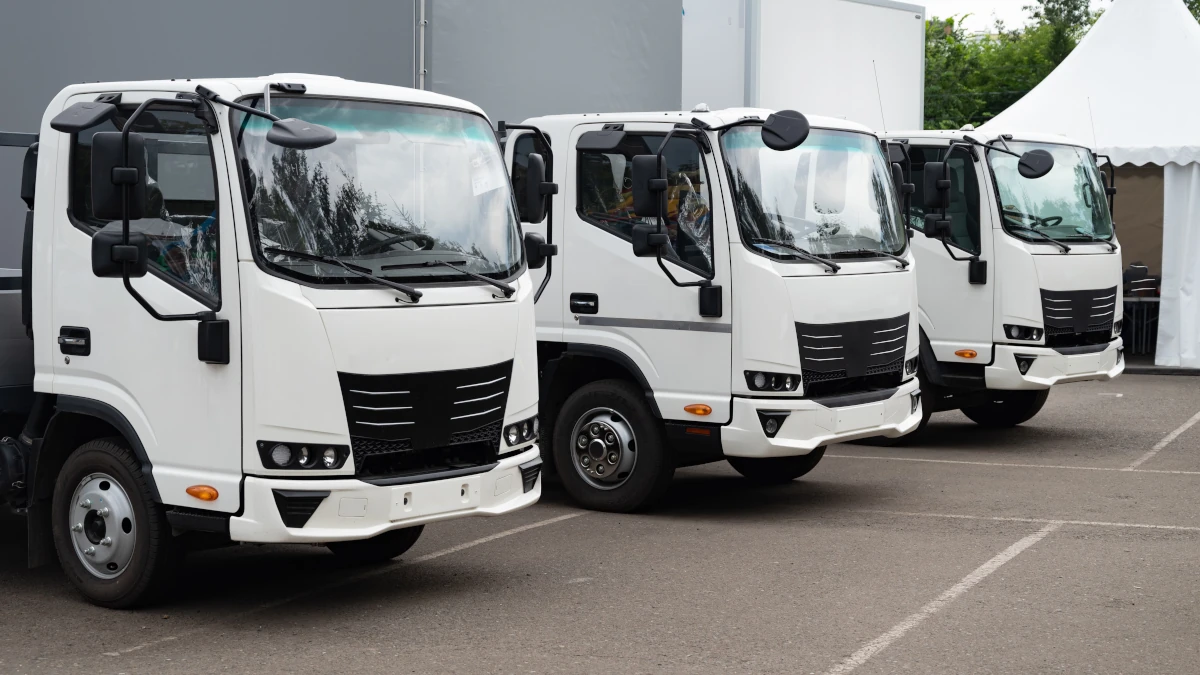
Running a small trucking fleet comes with enough challenges already.
You have trucks to maintain, drivers to manage, loads to move, customers to keep happy, fuel costs to control, and compliance requirements to stay on top of.
Insurance can easily become something that gets handled once at renewal and then ignored until the next policy term.
That can be a costly mistake.
Small fleets often operate with tighter margins than large carriers, which means even a relatively minor insurance gap, claim issue, or coverage mistake can create a serious financial problem.
The good news is that many of the most common trucking insurance mistakes are preventable.
In this guide, we’ll look at the insurance mistakes small fleets make most often, why they matter, and what fleet owners can do to reduce risk, avoid coverage gaps, and keep their commercial truck insurance aligned with the way they actually operate.
Why Small Fleet Insurance Requires More Attention Than Many Owners Realize
Small fleets are often in an awkward middle ground.
They are more complex than a single-truck owner-operator operation, but they may not yet have the internal safety, compliance, accounting, and risk-management departments found at larger motor carriers.
That means a small fleet owner may personally be responsible for:
- Hiring drivers
- Dispatch
- Maintenance
- Insurance
- DOT compliance
- Customer contracts
- Equipment purchases
- Payroll
- Claims
- Driver records
- Safety procedures
With that much going on, insurance details can be easy to overlook.
But trucking insurance is heavily influenced by operational details.
Changes involving drivers, equipment, commodities, operating radius, vehicle values, or claims history can all affect your insurance program.
If your business changes while your policy stays the same, gaps can develop.
The best approach is to treat small fleet insurance as an ongoing part of fleet management rather than a once-a-year transaction.
Mistake #1: Choosing Insurance Based Only on Price
One of the most common small fleet insurance mistakes is choosing the cheapest quote without understanding what is actually included.
Insurance premiums matter.
Every trucking company has to control expenses.
But two insurance quotes that look similar on the surface may provide very different coverage.
A lower-priced policy may have:
- Higher deductibles
- Lower cargo limits
- More restrictive exclusions
- Different physical damage terms
- Different liability limits
- Commodity restrictions
- Different trailer coverage
- Fewer endorsements
- More limited claims support
The cheapest quote is not automatically the best value.
How to avoid this mistake
When comparing commercial truck insurance quotes, compare the actual coverage line by line.
Review:
- Liability limits
- Cargo limits
- Deductibles
- Physical damage values
- Trailer coverage
- Commodity exclusions
- Driver restrictions
- Operating radius
- Policy exclusions
- Endorsements
A better question than:
“Which quote is cheapest?”
is:
“Which quote gives my fleet the right protection for the risks we actually have?”
Mistake #2: Underinsuring Trucks and Equipment
Physical damage coverage is another area where small fleets can run into problems.
Fleet owners may list equipment values that no longer reflect the actual value of their trucks.
Sometimes the value is outdated.
Sometimes it was entered incorrectly at policy inception.
Sometimes equipment has been upgraded or modified without notifying the insurance company.
If a truck is significantly underinsured, the fleet may not receive the amount it expected after a major loss.
How to avoid this mistake
Review the insured value of each truck at renewal and after major equipment changes.
Check:
- Tractor value
- Trailer value
- Permanently installed equipment
- Aftermarket equipment
- Auxiliary power units
- Specialized equipment
Your physical damage insurance should accurately reflect the equipment you are trying to protect.
Mistake #3: Not Updating the Policy When Adding Trucks
Small fleets often grow one truck at a time.
That gradual growth can create administrative mistakes.
A fleet owner may purchase another tractor, put it into service quickly, and assume the insurance paperwork has been handled.
Never assume.
Every vehicle that needs coverage should be properly scheduled and confirmed.
How to avoid this mistake
Whenever you add a truck:
- Notify your insurance agent.
- Provide the correct VIN.
- Confirm the vehicle value.
- Confirm liability coverage.
- Add physical damage coverage if needed.
- Verify the effective date.
- Keep proof of coverage.
Do not put a newly purchased truck into service until you know the insurance is active.
Mistake #4: Failing to Report New Drivers
Adding drivers is another common source of coverage and underwriting problems.
Small fleets may hire quickly when freight volume increases.
But every driver represents a new risk exposure.
Insurance companies commonly evaluate:
- Driving history
- CDL experience
- Age
- Violations
- Accidents
- Employment history
- Experience with similar equipment
A driver who was never properly reported can create serious problems after a claim.
How to avoid this mistake
Before putting a new driver behind the wheel:
- Verify CDL status
- Review MVR
- Confirm experience
- Check employment history where appropriate
- Complete required background checks
- Submit driver information to your insurance agent
- Confirm approval if required
Driver onboarding should include insurance verification, not just payroll and dispatch setup.
Mistake #5: Hiring Drivers Without Considering Insurance Impact
Not every qualified CDL driver is equally attractive from an insurance perspective.
A driver may legally hold a CDL but still create underwriting concerns.
For example:
- Recent accidents
- Speeding violations
- Reckless driving history
- Limited CDL experience
- Multiple employers in a short period
- Serious moving violations
Hiring a high-risk driver may increase your insurance costs or even make coverage more difficult to obtain.
How to avoid this mistake
Make insurance part of the hiring process.
Before making a final hiring decision, consider whether the driver’s history could affect your fleet insurance premium.
Your insurance agent may be able to help identify underwriting concerns before the driver is officially added.
Mistake #6: Assuming All Cargo Is Covered
This is one of the biggest misconceptions in commercial trucking insurance.
A fleet has motor truck cargo insurance, so the owner assumes every load is covered.
That may not be true.
Cargo policies can contain exclusions or restrictions for certain commodities.
Potentially restricted cargo may include:
- Electronics
- Pharmaceuticals
- Alcohol
- Tobacco
- High-value apparel
- Certain food products
- Automobiles
- Jewelry
- Hazardous materials
- High-theft commodities
A fleet that changes freight types without reviewing its cargo policy may unknowingly create a coverage gap.
How to avoid this mistake
Before hauling a new commodity, ask:
- Is this commodity covered?
- Does the full load value fit within the cargo limit?
- Are there special theft requirements?
- Are there specific exclusions?
- Does the policy require an endorsement?
- Are unattended vehicle restrictions involved?
Your cargo insurance should match what your fleet actually hauls.
Mistake #7: Carrying Cargo Limits That Are Too Low
Even if the commodity is covered, the cargo limit may still be insufficient.
A fleet may have a $100,000 cargo policy because that amount worked when the business started.
But freight values can change.
If your fleet begins moving loads worth $150,000 or $200,000, the existing cargo limit may no longer be adequate.
How to avoid this mistake
Review your highest typical load value.
Do not base cargo limits solely on average loads.
Consider:
- Typical load value
- Highest recurring load value
- Contract requirements
- Seasonal freight
- High-value commodities
The right cargo limit should reflect the actual financial exposure.
Mistake #8: Ignoring Operating Radius Changes
Many trucking insurance policies are underwritten partly based on operating radius.
A small fleet may start locally and gradually expand into regional or long-haul operations.
If the insurance policy still reflects the original operating radius, the underwriting information may no longer be accurate.
How to avoid this mistake
Notify your insurance agent when your normal operations change significantly.
Examples include:
- Local to regional
- Regional to long-haul
- New states
- Cross-country operations
- New freight lanes
- Increased average trip length
A temporary trip may not require a policy change, but a permanent shift in operations should be reported.
Mistake #9: Not Reviewing States of Operation
Where you operate matters.
Different states can create different:
- Liability exposure
- Claim environments
- Traffic conditions
- Legal risks
- Weather risks
- Cargo theft risks
If your fleet expands into new states, make sure your policy accurately reflects that change.
How to avoid this mistake
Review operating territories at least annually.
Update them whenever your fleet makes a significant geographic expansion.
Mistake #10: Failing to Understand Primary Liability Coverage
Primary liability insurance is one of the most important parts of a trucking insurance program.
It generally provides protection against covered bodily injury and property damage claims arising from commercial trucking operations.
But fleet owners sometimes focus only on meeting minimum requirements.
That can be risky.
A serious truck accident can result in significant:
- Medical expenses
- Property damage
- Legal expenses
- Settlements
- Judgments
How to avoid this mistake
Review liability limits based on:
- Regulatory requirements
- Contracts
- Shipper requirements
- Broker requirements
- Fleet size
- Risk exposure
The minimum required limit is not automatically the right limit for your business.
Mistake #11: Ignoring Umbrella or Excess Liability Options
Small fleets sometimes assume umbrella or excess liability coverage is only for large carriers.
That is not necessarily true.
A severe commercial truck accident can create liability well above standard limits.
Umbrella or excess liability coverage may provide additional limits above certain underlying policies, subject to policy terms.
How to avoid this mistake
Ask your insurance agent whether excess liability makes sense based on:
- Fleet size
- Contracts
- Customers
- Operating territory
- Cargo
- Liability exposure
It may be especially important if customers require higher limits.
Mistake #12: Confusing General Liability With Auto Liability
General liability insurance and commercial auto liability insurance are not the same thing.
Primary auto liability addresses risks related to operating covered commercial vehicles.
Trucking general liability generally addresses certain business-related risks outside the direct operation of those vehicles.
A fleet owner who assumes general liability covers trucking accidents may have a serious misunderstanding of their policy.
How to avoid this mistake
Understand what each coverage does.
A trucking insurance program may include both:
- Primary auto liability
- General liability
Each policy serves a different purpose.
Mistake #13: Not Carrying Proper Trailer Coverage
Small fleets often pull a mix of owned and non-owned trailers.
That creates different insurance exposures.
A trailer you own may be insured differently from a trailer you are temporarily using under a written agreement.
Trailer interchange insurance may help protect against covered physical damage to certain non-owned trailers in your possession.
How to avoid this mistake
Determine:
- Which trailers you own
- Which trailers you lease
- Which trailers belong to customers
- Whether trailer interchange agreements exist
- What limits contracts require
Do not assume tractor insurance automatically covers every trailer you pull.
Mistake #14: Ignoring Non-Trucking Liability for Leased Owner-Operators
Some small fleets work with leased owner-operators.
That creates additional insurance considerations.
Non-trucking liability insurance may be relevant for leased owner-operators during qualifying personal or non-business use.
A fleet should clearly understand who is responsible for:
- Primary liability
- Non-trucking liability
- Physical damage
- Occupational accident
- Cargo
- Trailer coverage
How to avoid this mistake
Spell out insurance responsibilities clearly in lease agreements.
Do not rely on verbal assumptions.
Mistake #15: Failing to Review Occupational Accident Exposure
Small fleets that use independent contractors may also need to consider occupational accident insurance.
This coverage may provide certain benefits for eligible independent contractors after covered work-related injuries.
However, occupational accident coverage is not the same as workers’ compensation.
Worker classification and insurance requirements can vary.
How to avoid this mistake
Work with qualified insurance and legal professionals when structuring contractor relationships.
Understand:
- Worker classification
- State requirements
- Contract requirements
- Occupational accident options
- Workers’ compensation obligations
Mistake #16: Letting Policies Auto-Renew Without a Full Review
Insurance renewal should not be treated as an automatic administrative task.
A lot can change in twelve months.
Your fleet may have:
- Added trucks
- Sold equipment
- Changed drivers
- Expanded territory
- Changed commodities
- Increased cargo values
- Added customers
- Changed contracts
- Experienced claims
- Improved safety practices
If the policy simply renews unchanged, it may no longer fit your operation.
How to avoid this mistake
Schedule a formal insurance review before every renewal.
Compare the policy to current operations.
Mistake #17: Waiting Until Renewal to Report Business Changes
You do not need to wait until renewal to update your insurance.
If your fleet changes substantially in the middle of the policy term, report the change.
Examples include:
- Adding trucks
- Adding drivers
- Changing cargo
- Expanding operating radius
- Increasing limits
- Changing business structure
Insurance should reflect current operations throughout the policy period.
Mistake #18: Allowing Maintenance Problems to Create Preventable Claims
Insurance does not replace preventive maintenance.
Mechanical failures can lead to accidents, cargo losses, breakdowns, and expensive claims.
Common problems include:
- Worn tires
- Brake issues
- Lighting failures
- Cooling system problems
- Steering problems
- Suspension issues
A preventable mechanical failure can create far more cost than the repair would have.
How to avoid this mistake
Use a documented preventive maintenance program.
Track:
- Inspection dates
- Repairs
- Tire replacement
- Brake service
- Fluid changes
- Driver defect reports
Good maintenance supports both safety and risk management.
Mistake #19: Treating Pre-Trip Inspections as a Formality
A rushed pre-trip inspection can miss problems that later turn into claims.
Drivers should take inspections seriously.
Potential warning signs include:
- Tire damage
- Fluid leaks
- Lighting problems
- Loose components
- Brake issues
- Cargo securement problems
- Trailer damage
How to avoid this mistake
Build a safety culture where drivers are encouraged to report defects immediately.
Drivers should not feel pressured to ignore a safety issue just to keep a load moving.
Mistake #20: Failing to Document Maintenance and Safety Efforts
Good records matter.
If an accident occurs, documentation may help demonstrate that your fleet has appropriate maintenance and safety procedures.
Keep records such as:
- Maintenance logs
- Driver training records
- Inspection reports
- Repair receipts
- Driver qualification files
- Safety meetings
- Incident reports
Documentation is also useful when evaluating claims trends and improving operations.
Mistake #21: Not Reviewing Claims History
Claims should be treated as data.
Every claim tells you something.
A fleet with repeated:
- Backing accidents
- Rear-end collisions
- Cargo damage
- Theft losses
- Tire failures
may have an operational issue.
How to avoid this mistake
Review claims at least quarterly.
Ask:
- What happened?
- Was the claim preventable?
- Is there a pattern?
- Was a driver issue involved?
- Was maintenance involved?
- Did dispatch contribute?
- Did training fail?
Use claims to improve operations.
Mistake #22: Focusing Only on Claim Frequency
A fleet with many small claims has one type of problem.
A fleet with one catastrophic claim has another.
Both matter.
Insurance companies may consider:
- Claim frequency
- Claim severity
- Loss ratio
- Type of claims
- Trends
How to avoid this mistake
Focus on both preventing frequent minor losses and reducing the risk of severe accidents.
Mistake #23: Ignoring Driver Training
Insurance costs are heavily connected to driver risk.
A fleet that hires drivers but provides little ongoing training may miss opportunities to reduce claims.
Training can cover:
- Defensive driving
- Following distance
- Backing
- Lane changes
- Distracted driving
- Fatigue
- Cargo securement
- Accident procedures
- Weather driving
How to avoid this mistake
Create a basic ongoing training program.
Even small fleets can conduct short monthly safety meetings.
Mistake #24: Not Having an Accident Response Plan
When an accident occurs, drivers may not know what to do.
That can lead to poor documentation or unnecessary mistakes.
How to avoid this mistake
Give every driver a simple accident-response procedure.
Drivers should know to:
- Stop safely.
- Call emergency services when needed.
- Follow reporting requirements.
- Take photos when safe.
- Gather other-party information.
- Document witnesses.
- Notify dispatch.
- Notify insurance promptly.
- Avoid unnecessary statements about fault.
Keep these instructions inside every truck.
Mistake #25: Reporting Claims Too Late
Delayed claims reporting can create problems.
Evidence may disappear.
Witnesses may become harder to locate.
Damaged cargo may be moved.
How to avoid this mistake
Create a policy requiring drivers to report incidents immediately.
Fleet management should then notify the insurance carrier or agent according to policy requirements.
Mistake #26: Not Understanding Deductibles
A low premium can sometimes come with a high deductible.
If your fleet cannot comfortably absorb that deductible, you may have a cash-flow problem after a claim.
How to avoid this mistake
Review deductibles based on your available reserves.
Consider:
- Physical damage deductible
- Cargo deductible
- Trailer deductible
- Other applicable deductibles
Insurance should protect the business without creating an impossible out-of-pocket burden.
Mistake #27: Failing to Build an Emergency Reserve
Insurance does not pay every expense immediately.
After a loss, your business may still face:
- Deductibles
- Towing
- Rental equipment
- Payroll
- Lost revenue
- Temporary repairs
How to avoid this mistake
Maintain an emergency operating reserve.
Insurance is part of risk management, not the entire solution.
Mistake #28: Ignoring Downtime Exposure
A truck that is not moving is not generating revenue.
Even when physical damage is covered, downtime can create a major financial problem.
How to avoid this mistake
Ask whether coverage options are available for:
- Rental reimbursement
- Downtime
- Towing
- Roadside assistance
Not every policy includes these automatically.
Mistake #29: Failing to Read Customer and Broker Contracts
Contracts often contain insurance requirements.
These may include:
- Minimum liability limits
- Cargo limits
- Additional insured requirements
- Certificates
- Waivers
- Specialized coverage
How to avoid this mistake
Review insurance requirements before signing contracts.
Do not discover after signing that your current policy does not satisfy the agreement.
Mistake #30: Using an Insurance Agent Who Doesn’t Understand Trucking
Commercial trucking insurance has unique terminology and risks.
A general insurance agent may understand commercial insurance but not necessarily the details of motor carrier operations.
Trucking involves:
- DOT filings
- FMCSA requirements
- Cargo exposure
- Trailer interchange
- Owner-operators
- Non-trucking liability
- Authority
- Radius
- Commodities
- Driver underwriting
How to avoid this mistake
Work with an agency that regularly handles commercial trucking insurance.
A trucking-focused insurance agent is more likely to understand how operational changes affect coverage.
How Small Fleets Can Lower Trucking Insurance Costs
Avoiding insurance mistakes is not only about preventing gaps.
It can also support long-term cost control.
Small fleets can potentially improve their insurance profile by focusing on:
- Driver quality
- Clean MVRs
- Preventive maintenance
- Claims prevention
- Driver training
- Accurate documentation
- Realistic operating practices
- Proper cargo securement
- Strong hiring standards
- Telematics
- Dash cameras
- Safety programs
No single step guarantees lower premiums.
But a fleet with strong operations is generally easier to present favorably to insurance underwriters.
Use Telematics and Dash Cameras Strategically
Technology can help small fleets improve risk management.
Telematics systems may track:
- Speeding
- Hard braking
- Rapid acceleration
- Idle time
- Route behavior
- Driver trends
Dash cameras can also provide valuable evidence after an accident.
They may help determine:
- What actually happened
- Whether another vehicle contributed
- Traffic conditions
- Driver behavior
Technology should be used as part of a broader safety program rather than simply as a way to monitor drivers.
Small Fleet Insurance Checklist
Review this checklist periodically.
Vehicles
- Are all trucks listed?
- Are VINs correct?
- Are insured values accurate?
- Is physical damage coverage adequate?
Drivers
- Are all drivers reported?
- Are MVRs reviewed?
- Are new drivers screened?
- Is training documented?
Liability
- Are liability limits appropriate?
- Do contracts require higher limits?
- Should excess liability be considered?
Cargo
- Are commodities accurate?
- Are cargo limits sufficient?
- Are high-value loads covered?
- Are theft restrictions understood?
Trailers
- Are owned trailers covered?
- Are non-owned trailers properly insured?
- Is trailer interchange coverage needed?
Operations
- Has the radius changed?
- Have states changed?
- Has freight changed?
- Have customers changed?
Safety
- Is maintenance documented?
- Are inspections taken seriously?
- Are claims reviewed?
- Is driver training ongoing?
Claims
- Do drivers know what to do after an accident?
- Are claims reported quickly?
- Are claim patterns analyzed?
Renewal
- Is the policy reviewed before renewal?
- Are quotes compared based on coverage, not just price?
- Are deductibles affordable?
Frequently Asked Questions About Small Fleet Insurance
What insurance does a small trucking fleet need?
Coverage varies, but small fleets often need primary liability insurance, physical damage insurance, motor truck cargo insurance, general liability, trailer interchange coverage, occupational accident coverage, and potentially umbrella or excess liability.
How much does small fleet trucking insurance cost?
The cost depends on fleet size, driver history, claims, cargo, operating radius, truck values, coverage limits, deductibles, and other underwriting factors.
Can claims increase fleet insurance premiums?
Yes. Claims history, claim frequency, claim severity, and loss trends can all influence commercial truck insurance pricing.
Does cargo insurance cover every type of freight?
Not necessarily. Cargo policies can exclude or restrict certain commodities, so fleets should verify coverage before hauling unfamiliar or high-value freight.
Do all drivers need to be reported to the insurance company?
Generally, fleets should ensure all drivers are properly disclosed and approved according to policy requirements.
Does commercial truck insurance cover trailers?
Trailer coverage depends on ownership and policy structure. Owned trailers and non-owned trailers may require different coverage.
What is trailer interchange insurance?
Trailer interchange insurance may cover certain physical damage to non-owned trailers being used under a written trailer interchange agreement.
Should a small trucking fleet have excess liability coverage?
It may be appropriate depending on the fleet’s risk, contracts, customers, and liability exposure.
How can a small fleet lower trucking insurance costs?
Fleet owners can focus on driver quality, claims prevention, safety training, maintenance, telematics, documentation, and accurate underwriting information.
Insurance Should Grow With Your Fleet
One of the biggest risks small fleets face is simply outgrowing their original insurance program.
A trucking company may start with:
One truck.
Then:
Two trucks.
Then:
Five trucks.
Then:
New drivers, different cargo, longer routes, new customers, and more complicated contracts.
But the insurance program may still look almost exactly like it did when the company started.
That is where problems develop.
As your fleet grows, your insurance should evolve with:
- Equipment
- Drivers
- Customers
- Cargo
- Territory
- Contracts
- Revenue
- Liability exposure
The goal is not to buy unnecessary coverage.
The goal is to make sure the policy reflects the business you actually operate today.
Need Help Reviewing Your Small Fleet Insurance?
Cook Insurance Group works with small trucking fleets, motor carriers, owner-operators, and growing transportation businesses.
Whether you’re adding trucks, hiring drivers, expanding your operating territory, changing freight, or simply reviewing your current insurance program, our team can help identify coverage options for your operation.
Coverage options may include:
- Commercial Truck Insurance
- Fleet Insurance
- Primary Liability Insurance
- Physical Damage Insurance
- Motor Truck Cargo Insurance
- General Liability Insurance
- Trailer Interchange Insurance
- Occupational Accident Insurance
- Non-Trucking Liability Insurance
- New Authority Insurance
- DOT Filing Assistance
- Umbrella and Excess Liability Coverage
Request a commercial trucking insurance quote from Cook Insurance Group and make sure your fleet’s coverage keeps up with your business.